A thorough roof inspection should leave you with more than "looks fine" or "you need a new roof." You should come away with photos you can follow, findings that name a location and a likely cause, an honest note about what could not be seen, and a clear next step. If you can't connect a recommendation to a photo, ask before you decide anything.
Our guide to what happens during a roof inspection covers the visit itself. This one is about what you receive afterward and how to judge it.
What should a good inspection report include?
Formats vary, from a printed summary to photos shared by text or email. The format matters less than whether these pieces are there:
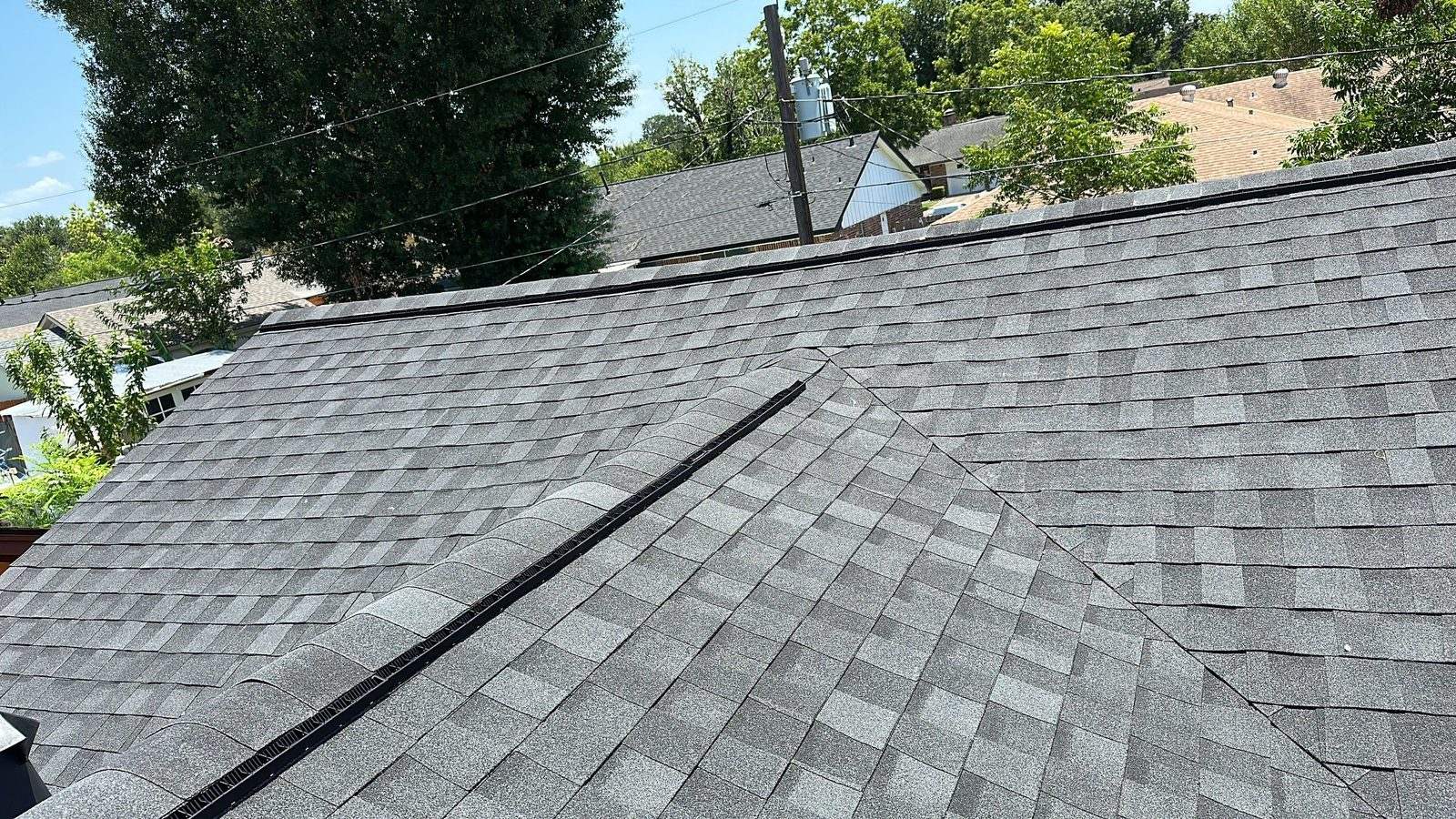
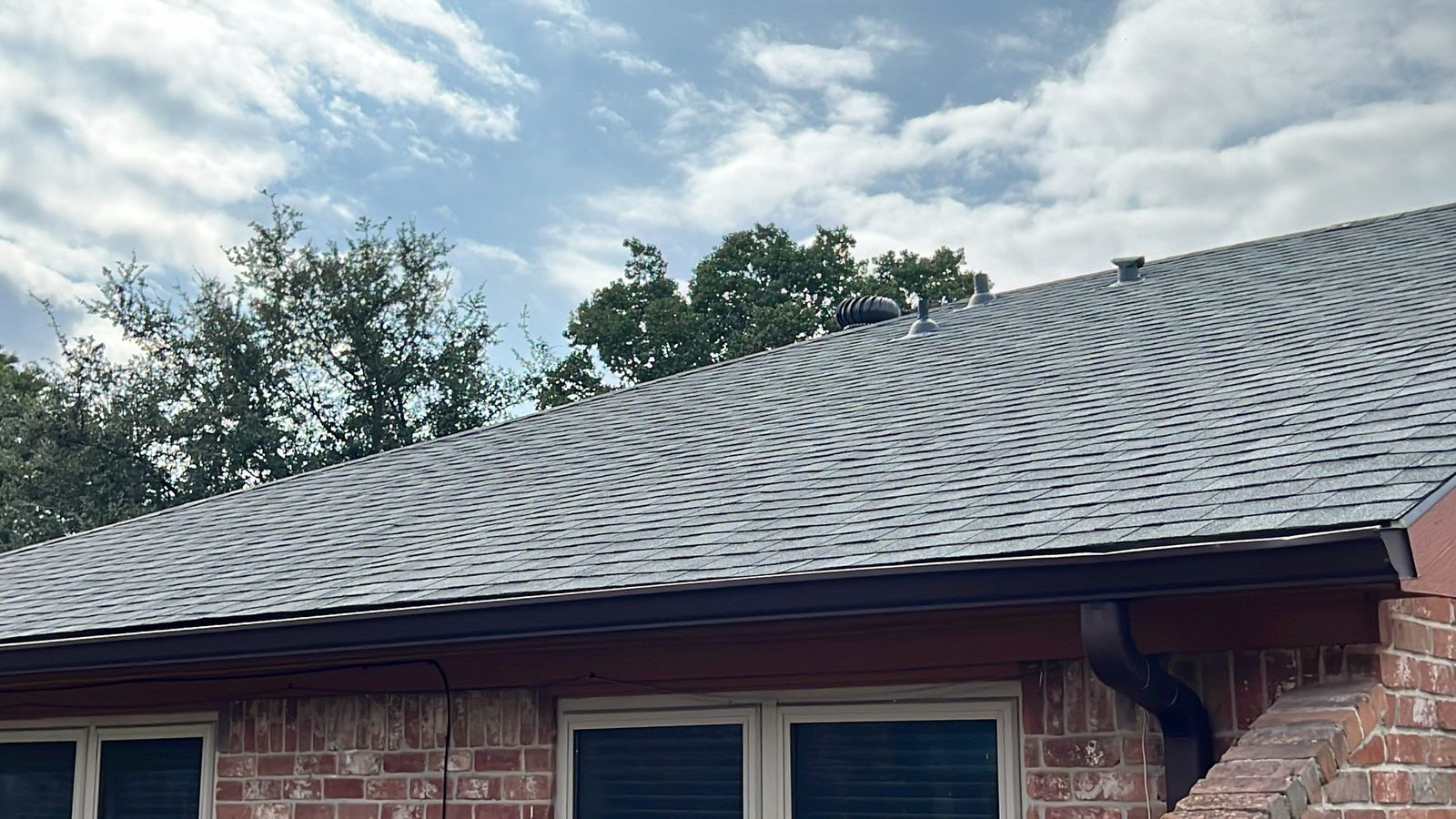
- An overview of the whole roof, such as a drone or wide photo, so you can place every close-up.
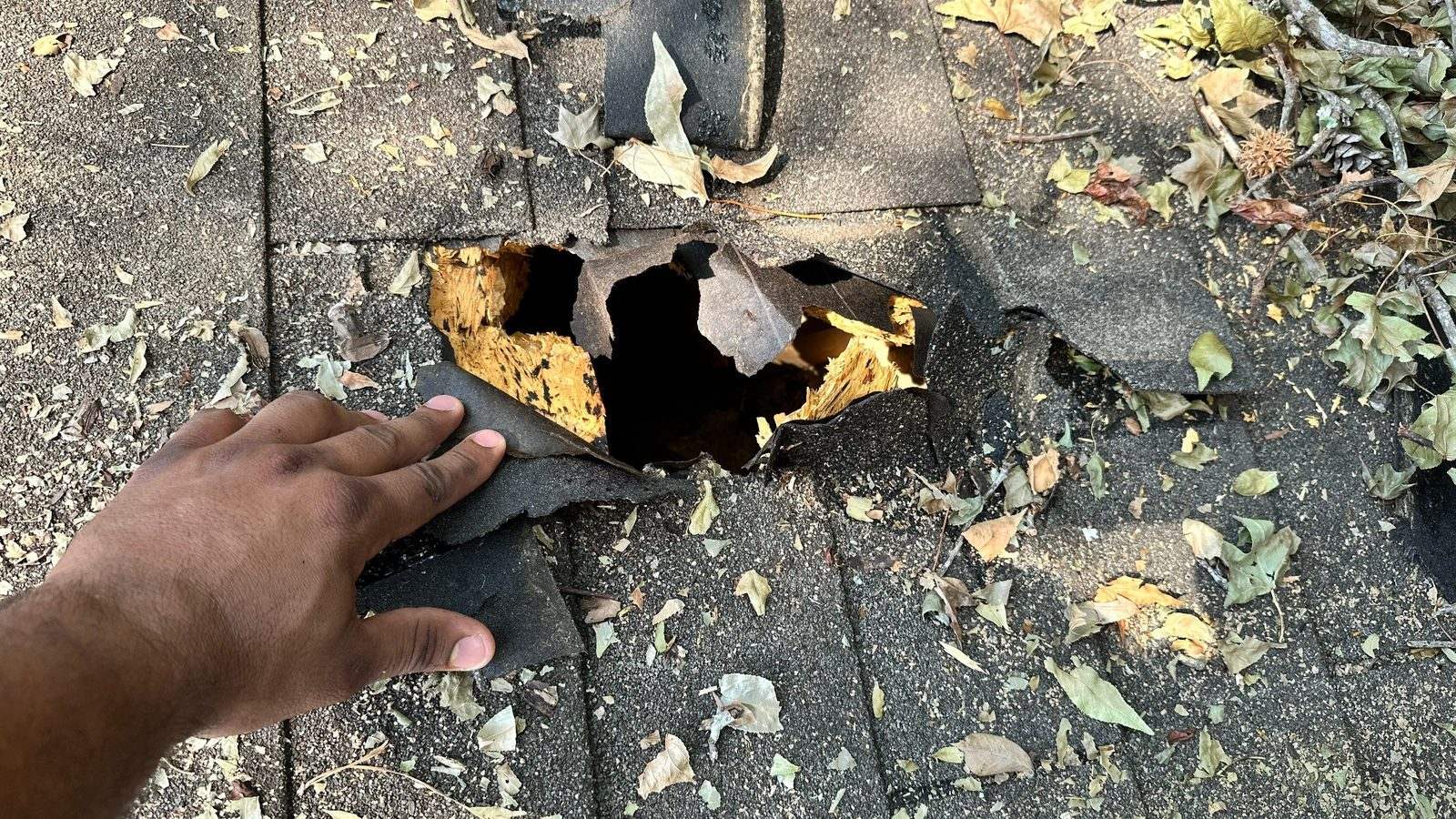
- Close-ups of each concern, labeled by location. "Back slope, above the kitchen" is useful; a photo with no location is not.
- A plain-language finding: what the condition is and what likely caused it, whether wind, hail, age, a failed seal, drainage or an installation detail.
- How urgent each item is: an active leak, something to fix before the next storm season, or something to watch.
- Attic or interior notes, if those areas were checked.
- What was not inspected, and why.
- A recommendation (no action, maintenance, a specific repair or replacement) and, if you ask, a written estimate.
How do I read roof inspection photos?
Roof photos can be hard to judge if you have never stood on a roof. A few habits help. Match every close-up to the overview, and ask if you can't tell where it was taken. Look for something that shows scale, like a finger, tape measure or chalk circle, so you know whether a mark is the size of a coin or a plate. Ask to see an undamaged area of the same slope for comparison. And notice the count: one lifted shingle and lifted shingles across a whole slope lead to very different recommendations.
| Finding | A useful photo shows | A good question to ask |
|---|---|---|
| Lifted or creased shingles | The shingle edge, its spot on the slope and the shingles around it | Is this one area, or is the seal failing across the slope? |
| Cracked pipe boot | The rubber collar around the vent pipe, close enough to see the crack | Is the boot the only problem, or is the flashing under it worn too? |
| Chimney or wall flashing | Where the metal meets the brick or siding, including any caulk | Is the metal failing, or only the sealant on top of it? |
| Possible hail marks | Several marks on the same slope with a scale reference, plus vents or other soft metal if checked | How did you tell this apart from normal wear or blistering? |
| Attic stain | The stain on the decking or rafter and the roof area above it | Is it wet now or old, and does it line up with something outside? |
| Suspected soft decking | The spot, how it was found, and any sagging seen from the attic | How sure are you, and how would it be confirmed? |
What can't a roof inspection see?
An honest report tells you its own limits. These are the common ones.
What's under the shingles
Decking and underlayment are hidden by the roof covering. An inspector can find clues, like soft spots underfoot, sagging lines or stains seen from the attic, but the full condition of the deck is often only known once the old roof comes off. Our guide to signs of decking damage explains what roofers look for.
Attic areas that can't be reached
Vaulted ceilings, tight eaves, stored belongings or deep insulation can block the view of the area in question. If the attic wasn't checked, the report should say so.
Weather and timing
A dry-day inspection can't watch a leak happen, and a leak that only appears in wind-driven rain may leave little to see. Wet or very steep roofs may be documented from a ladder or by drone rather than on foot, and a drone photo shows the surface but can't tell whether a shingle has turned brittle.
Damage inside walls and ceilings
A roof inspection isn't a mold or structural inspection. If water has been getting into the house, other specialists may be needed. The EPA's guide to mold and moisture advises drying water-damaged materials within 24 to 48 hours to help prevent mold growth, and fixing the water problem itself.
What are the red flags in an inspection report?
- Findings with no photos, or photos you can't tie to your house.
- Every item marked urgent, with no difference between "fix now" and "watch."
- A replacement recommendation with no explanation of why a repair won't work.
- Conclusions that don't match what the photos show.
- Promises about insurance coverage or payment. Coverage depends on your policy and your insurer, and a roofing contractor can't act as a public adjuster on a property it works on; see the Texas Department of Insurance page Roofing and insurance: Know the law.
- No mention of anything that wasn't inspected.
- Pressure to sign right away, or a contract with blanks. TDI's roof scam guidance recommends written estimates, comparing bids and never signing a contract with blank spaces.
What should I ask when I get my findings?
- Which of these items, if any, is causing my leak?
- What happens if I wait a season on each item?
- What couldn't you see today, and how could we find out?
- Is the repair you're recommending a lasting fix or a temporary one?
- Can I have copies of all the photos?
What does a PL Roofing & Remodeling inspection give you?
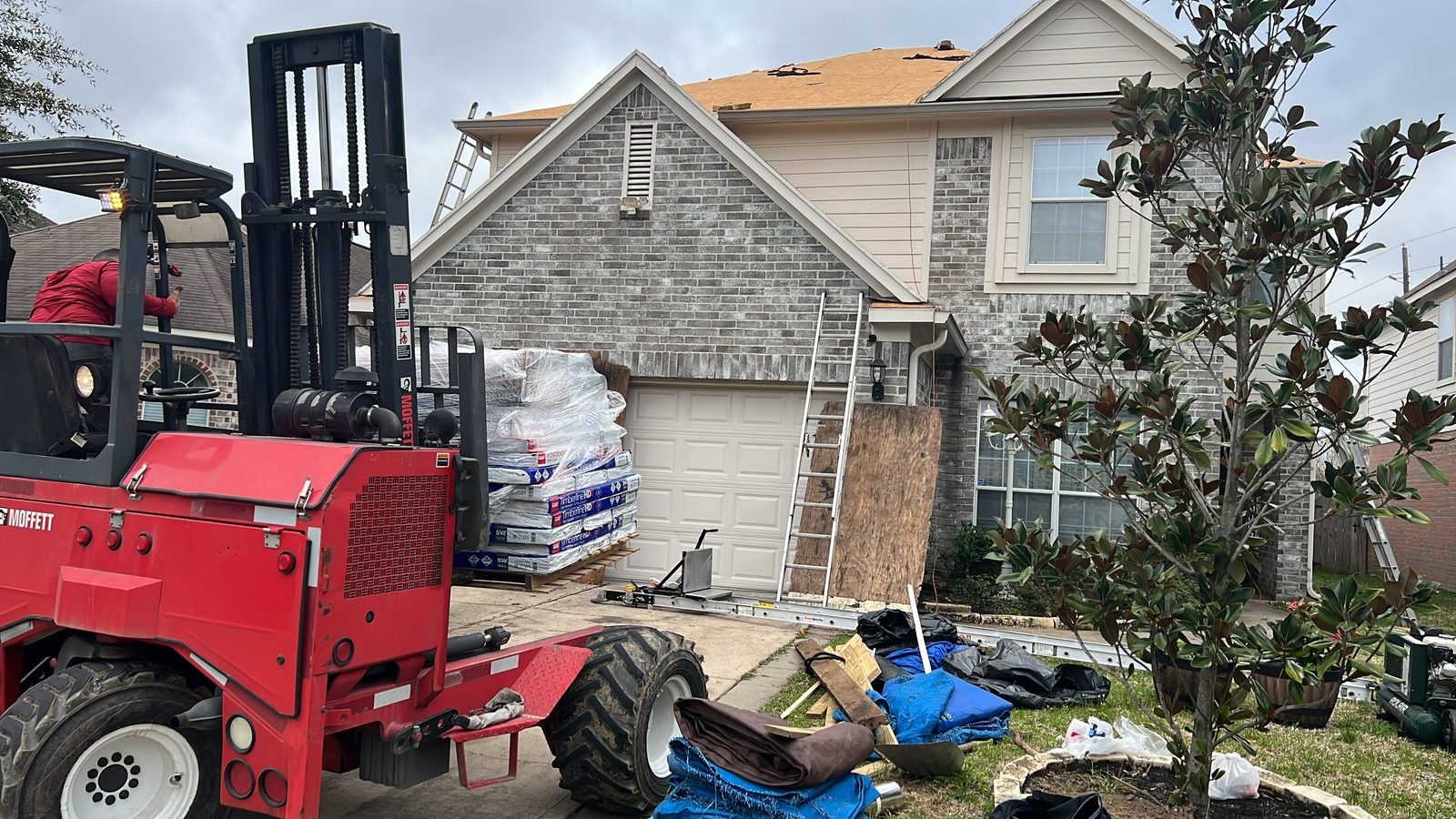
Our inspection is free and comes with no obligation. We photograph every concern, use a drone when it helps reach steep or hard-to-access areas, and look in the attic when it's relevant. You receive roof measurements and a written summary in plain English or Spanish, and we review the photos with you on the spot. The photos are yours to keep, whatever you decide. When you want one, we prepare a written estimate or next-step plan. See what to expect on Inspection Day.
Roof inspection report questions
Should I keep a copy of my inspection photos?
Yes. Photos record your roof's condition on that date, which helps when comparing later, planning repairs or documenting storm damage you may report to your insurer. With PL Roofing & Remodeling, the photos are yours to keep whatever you decide.
Does a clean report mean my roof won't leak?
No. An inspection describes what could be seen that day. It can't see under the shingles or predict the next storm, and a good report tells you what it didn't cover.
Is a roofer's report the same as the insurance adjuster's decision?
No. A roofer documents the roof's condition and recommends work. The adjuster inspects for the insurance company, and coverage depends on your policy. A roofing contractor can't act as a public adjuster under Texas law.
Want to see exactly what your roof looks like up close? Book a free, photo-documented inspection or call PL Roofing & Remodeling at 832-860-0354. Hablamos español.
Sources
- State law cracks down on roof scams, Texas Department of Insurance (reviewed Oct. 29, 2026)
- Roofing and insurance: Know the law, Texas Department of Insurance (reviewed Oct. 29, 2026)
- A Brief Guide to Mold, Moisture and Your Home, U.S. Environmental Protection Agency (reviewed Oct. 29, 2026)