Sometimes you can legally put new shingles over old ones, but it is rarely the best choice. The International Residential Code allows one new roof over an existing one only when the old roof is not water-soaked or deteriorated, is not slate or tile, and does not already have two or more layers. Even when an overlay is allowed, it hides the decking, leaves old flashing in place and can affect some manufacturer warranties. That is why PL Roofing & Remodeling tears every roof off down to the deck.
When a quote comes in lower than expected, one common reason is that it skips the tear-off. A roof over, also called an overlay or layover, means new shingles are nailed on top of the existing roof. A tear-off means the old shingles and underlayment are removed down to the wood decking before anything new goes on. Here is what the code says, what an overlay can hide, and how to compare the two.
What does the building code say about shingles over shingles?
Many Texas cities base their residential building codes on the International Residential Code (IRC), often with local amendments. In the 2021 IRC, section R908 covers re-roofing:
- Roof replacement means removing all existing layers of roof covering down to the roof deck.
- Roof recover, installing a new covering over the existing one, is allowed in certain cases, such as when the new roof covering is installed according to the manufacturer's instructions (IRC R908.3.1).
- A recover is not allowed when the existing roof or roof covering is water-soaked or has deteriorated to the point that it is not adequate as a base for more roofing, when the existing covering is slate, clay, cement or asbestos-cement tile, or when the existing roof already has two or more applications of any type of roof covering.
In practice, that makes two layers the limit where this code applies. Requirements vary by city and county, so the local permit office has the final word for your address.
Does roofing over old shingles affect the manufacturer warranty?
It can. Every shingle manufacturer publishes installation requirements, and the terms differ by brand and warranty level. Some enhanced warranties require a tear-off. For example, Owens Corning's Platinum Protection limited warranty, one of the roofing warranties Owens Corning offers, requires the roofing system to be installed over a clean roof deck with all existing roofing material and debris removed, including old felt, flashing and pipe boots.
Before you accept an overlay, ask which warranty the shingles will carry and whether a roof over changes it, and get the answer in writing.
What can an overlay hide?
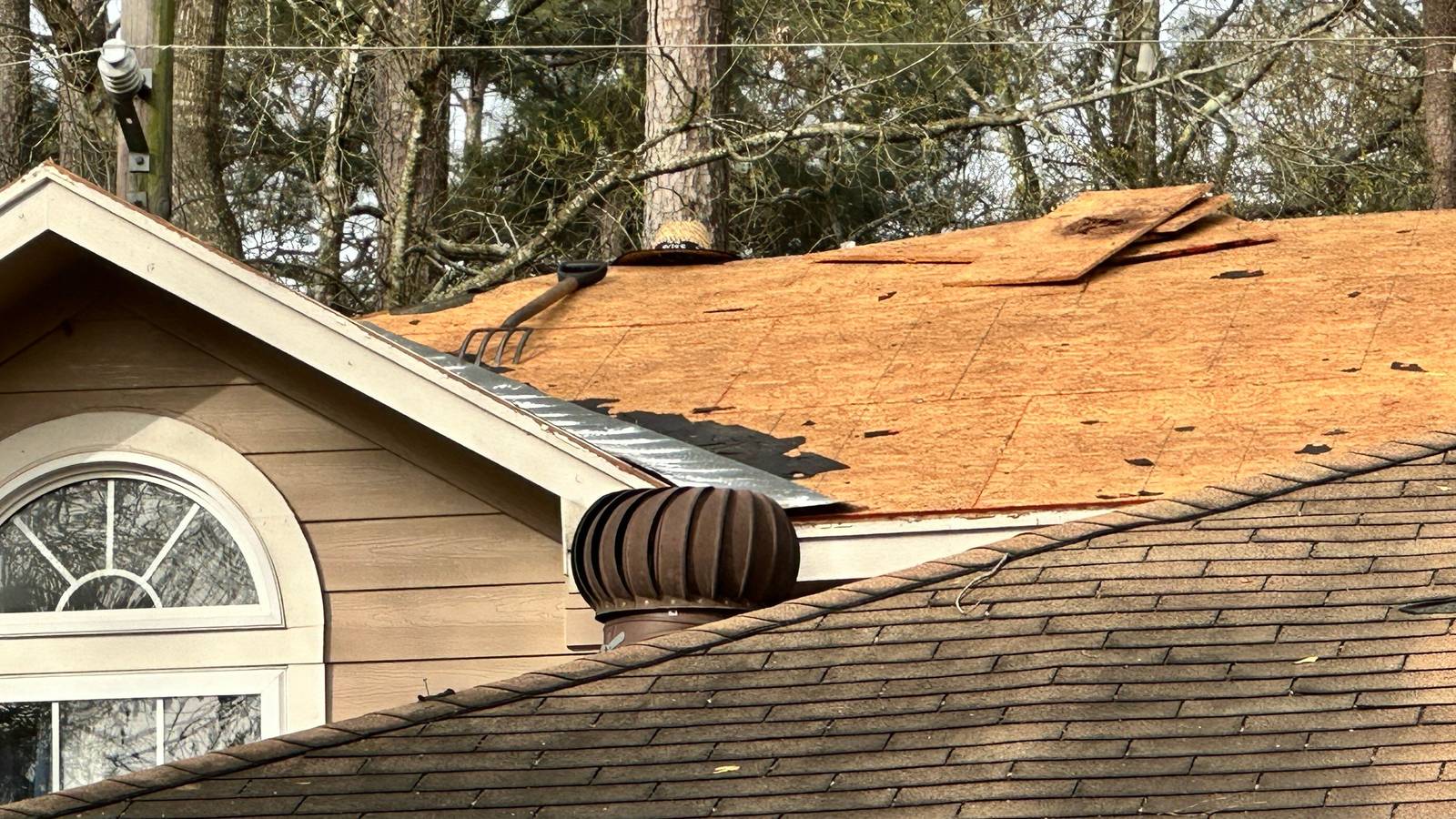
- Decking damage. Soft spots, rot and delaminated plywood stay covered. New shingles nailed into weak decking may not hold well. Our guide to roof decking damage explains what a tear-off often uncovers.
- Old flashing and pipe boots. Worn flashing at walls, chimneys and valleys is where many leaks start, and an overlay often reuses it or covers it.
- Underlayment and edge details. A tear-off lets new underlayment, valley protection and drip edge go on a clean deck. Our guide to synthetic vs felt underlayment explains why that layer matters.
- An uneven surface. Curled or cupped old shingles leave bumps that can show through the new roof.
- Extra weight. A second layer adds weight the roof framing carries for the life of the roof.
- Ventilation problems. A tear-off is the easiest time to correct intake and exhaust vents. Our guide to attic ventilation in Texas heat explains why that matters here.
Is a roof over cheaper than a tear-off?
Up front, usually, because it skips the labor and disposal of removing the old roof. But the savings come with trade-offs:
Roof over vs tear-off at a glance
| Trade-off | Roof over (overlay) | Tear-off (PL Roofing's process) |
|---|---|---|
| Up-front cost | Usually lower, because it skips the labor and disposal of removing the old roof | Included in our estimator's $375 to $650 per square for installed architectural asphalt shingles |
| Decking | Hidden decking is not checked | Old roof removed down to the decking so the wood is inspected and damaged sheets are replaced where you authorize it |
| Flashing | Old flashing may be reused | New underlayment, flashing, pipe boots and ventilation installed on a sound surface |
| Warranty | Some warranties may be limited | Required by some enhanced warranties, such as Owens Corning's Platinum Protection limited warranty |
| Next re-roof | The next roofer has two layers to remove instead of one | One layer to remove |
For context, our estimator uses $375 to $650 per square for installed architectural asphalt shingles, and that figure includes tearing off the old roof. As our pricing guide notes, quotes differ in what they include, such as tear-off versus overlay, underlayment and flashing replacement, ventilation and decking allowances, so compare the written scope line by line, not just the total. Our guides on how to read a roofing estimate and how much a new roof costs in Houston go deeper. The Texas Department of Insurance also advises homeowners never to sign a contract with blank spaces.
When is a tear-off required?
- The roof already has two or more layers.
- The existing roof is water-soaked or too deteriorated to serve as a base.
- The existing roof is slate, clay, cement or asbestos-cement tile.
- Your local code or permit office requires it.
- The shingle manufacturer's instructions or the warranty you want require a clean deck.
- Decking damage, sagging or soft spots need to be repaired.
Why does PL Roofing recommend a tear-off?
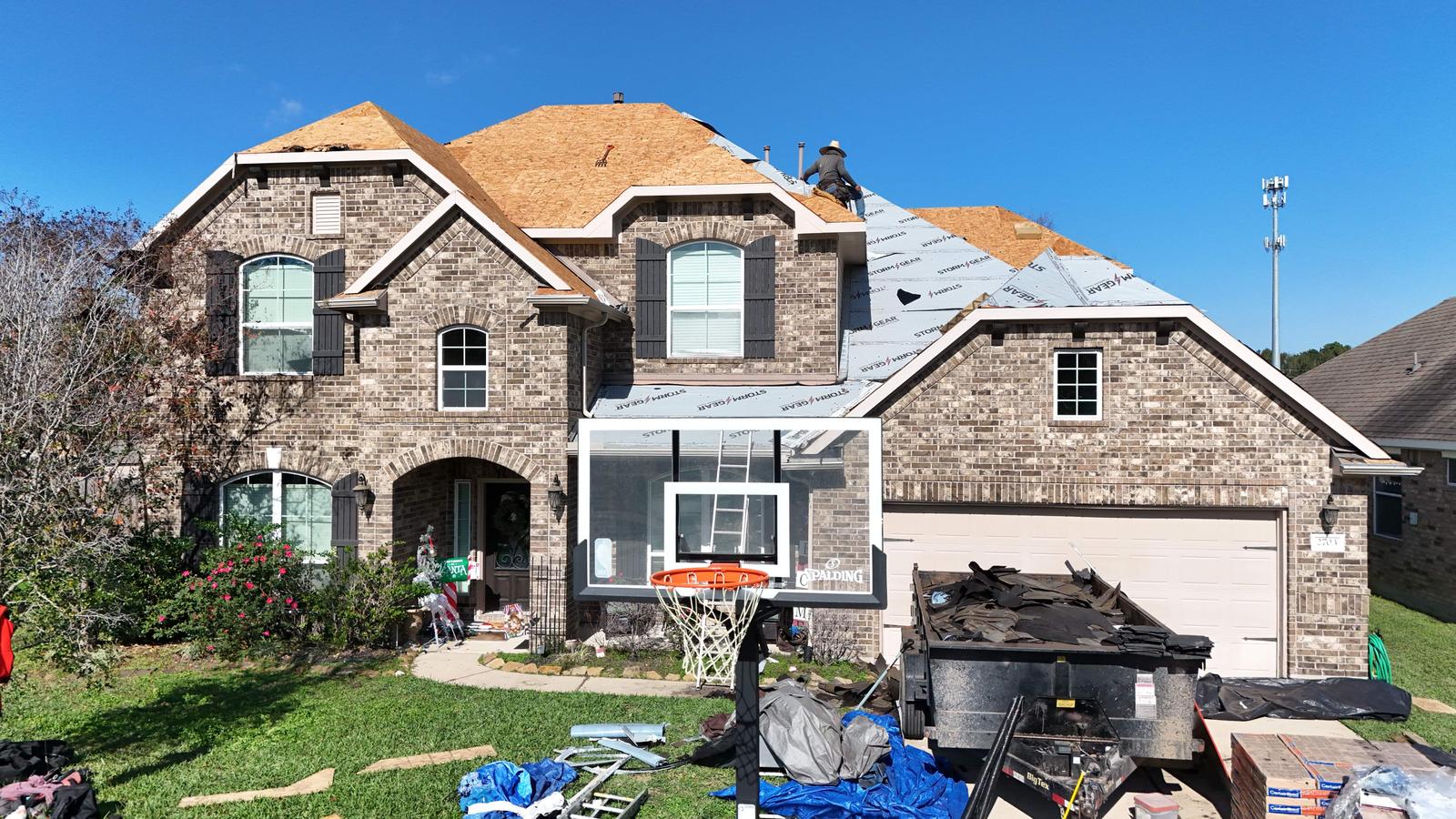
We do not install new shingles over an old roof. On every roof replacement, we tear the old roof off down to the decking so we can inspect the wood, replace damaged sheets where you authorize it, and install new underlayment, flashing, pipe boots and ventilation on a sound surface. Nothing gets shingled over, so hidden problems are found now, not in five years. Any decking replacement is documented with photos and priced at the rate stated in your written scope.
Most homes take one to two days. Our guide to roof replacement day walks through the process.
Roof over vs tear-off questions
How many layers of shingles can a roof have?
Under the International Residential Code, a new roof cannot be installed over an existing roof that already has two or more layers, so in practice two layers is the limit where that code applies. Your city may have its own amendments, so check with the local permit office.
Can new shingles go over one old layer?
Sometimes the code allows it, as long as the old roof is not water-soaked or deteriorated, is not tile or slate, and the new shingles are installed to the manufacturer's instructions. Even then, an overlay hides the decking, keeps old flashing in place and may limit some manufacturer warranties.
Does a tear-off take much longer?
Not usually. Most residential asphalt shingle replacements, including tear-off, are completed in one to two days, weather permitting. Larger or more complex roofs can take longer.
Comparing quotes and not sure what is included? Book a free, photo-documented inspection with no obligation, or call PL Roofing & Remodeling at 832-860-0354. We show you what is under your roof and confirm your price after the inspection. Hablamos español.