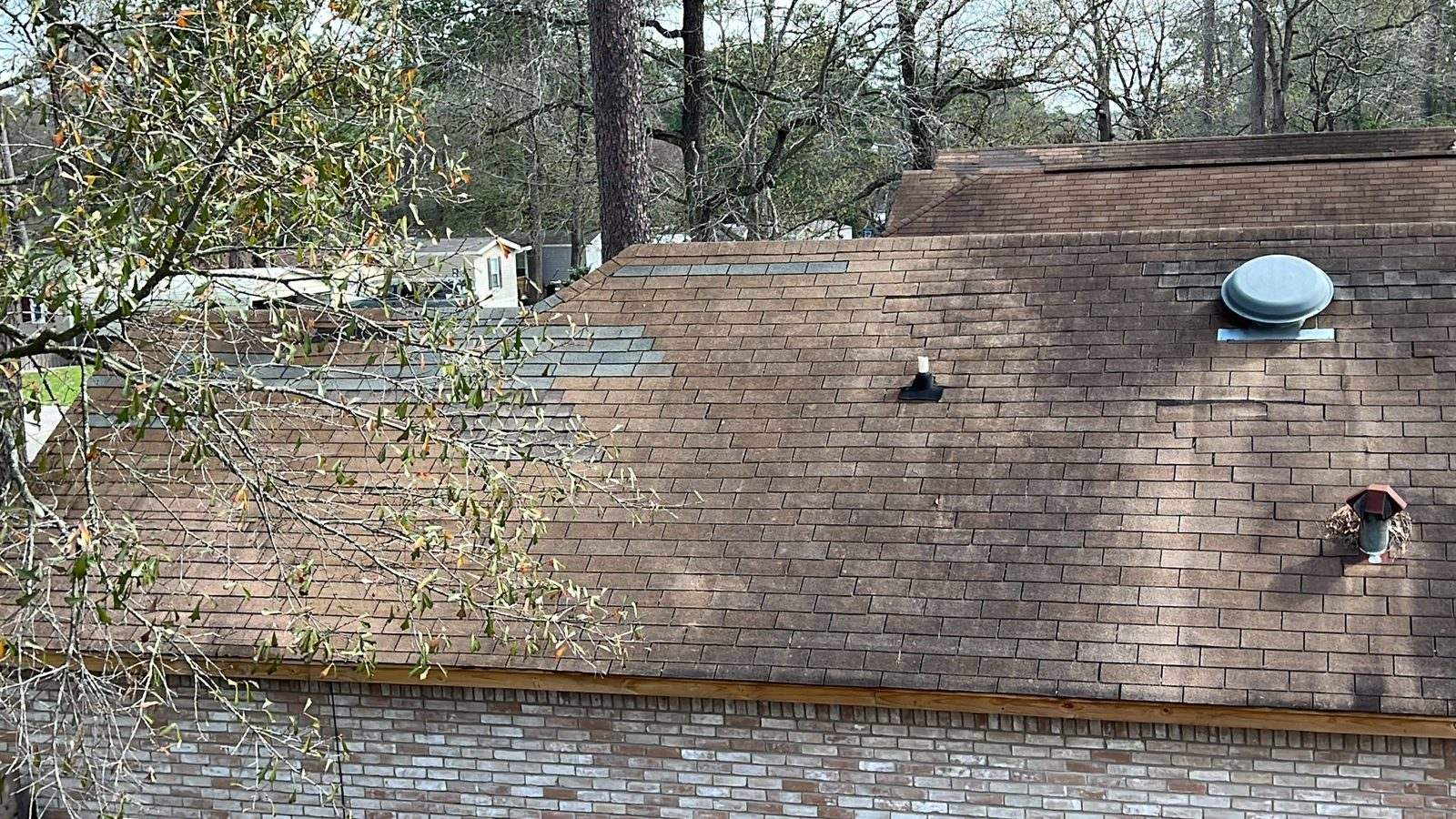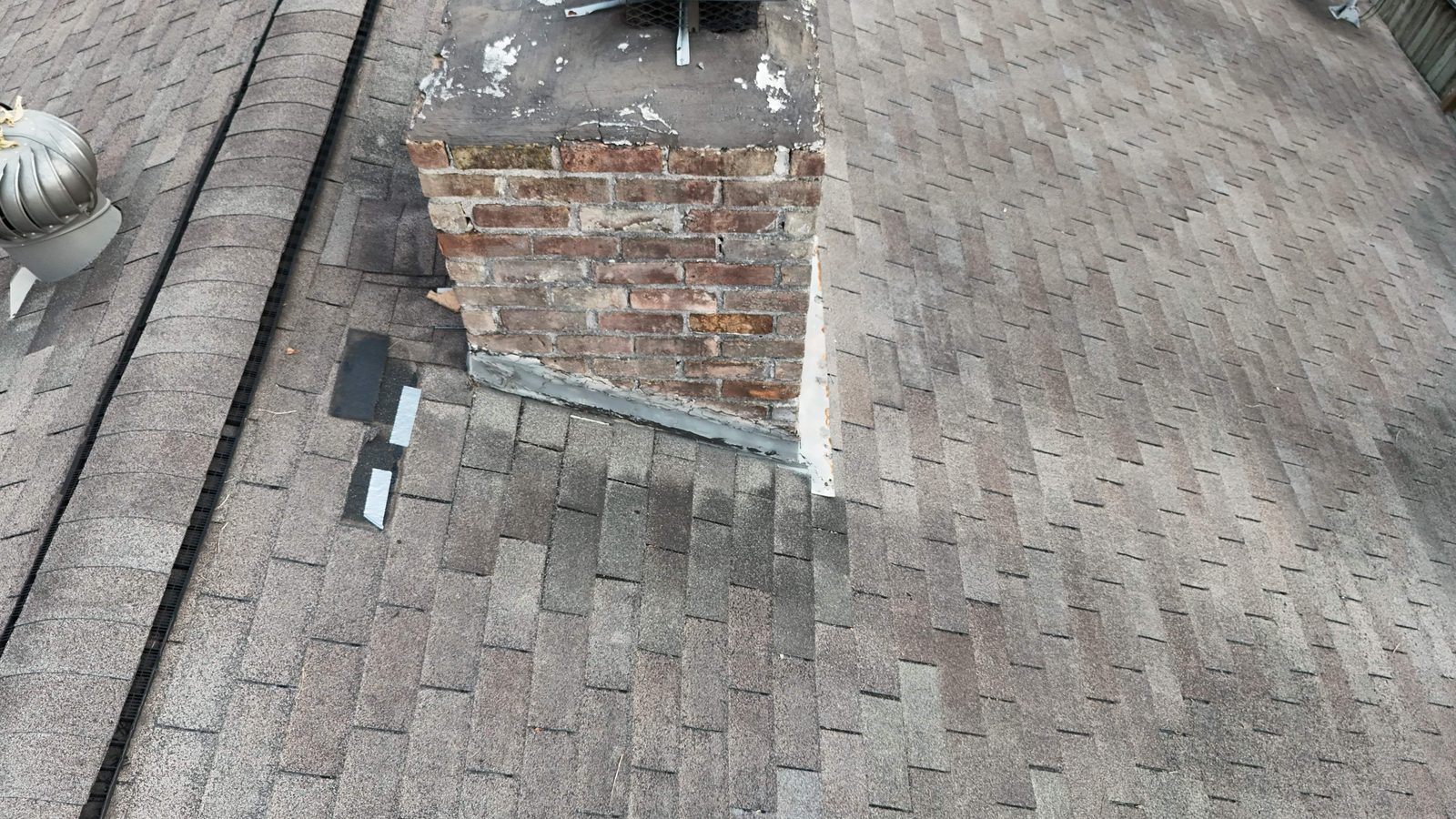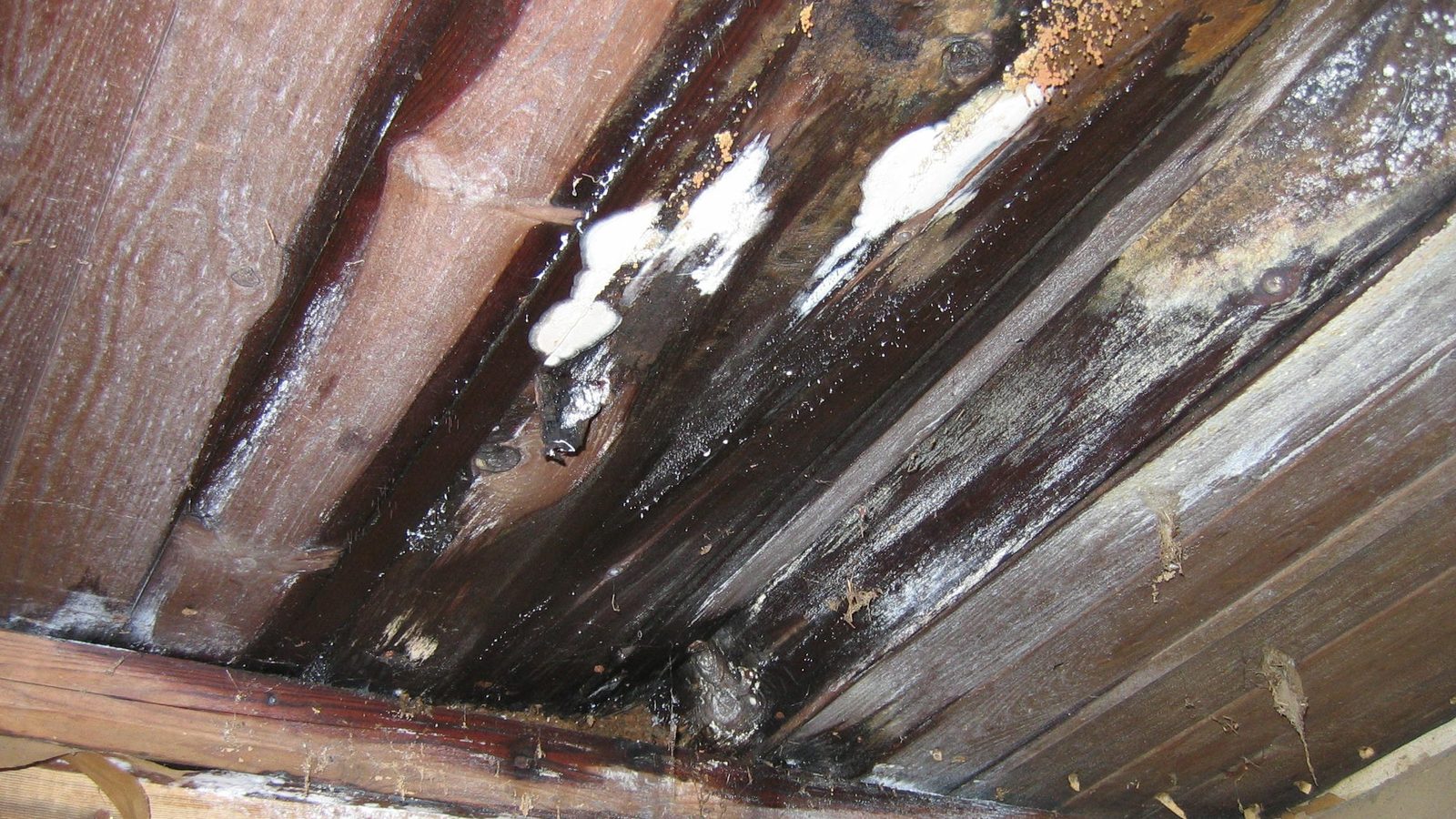
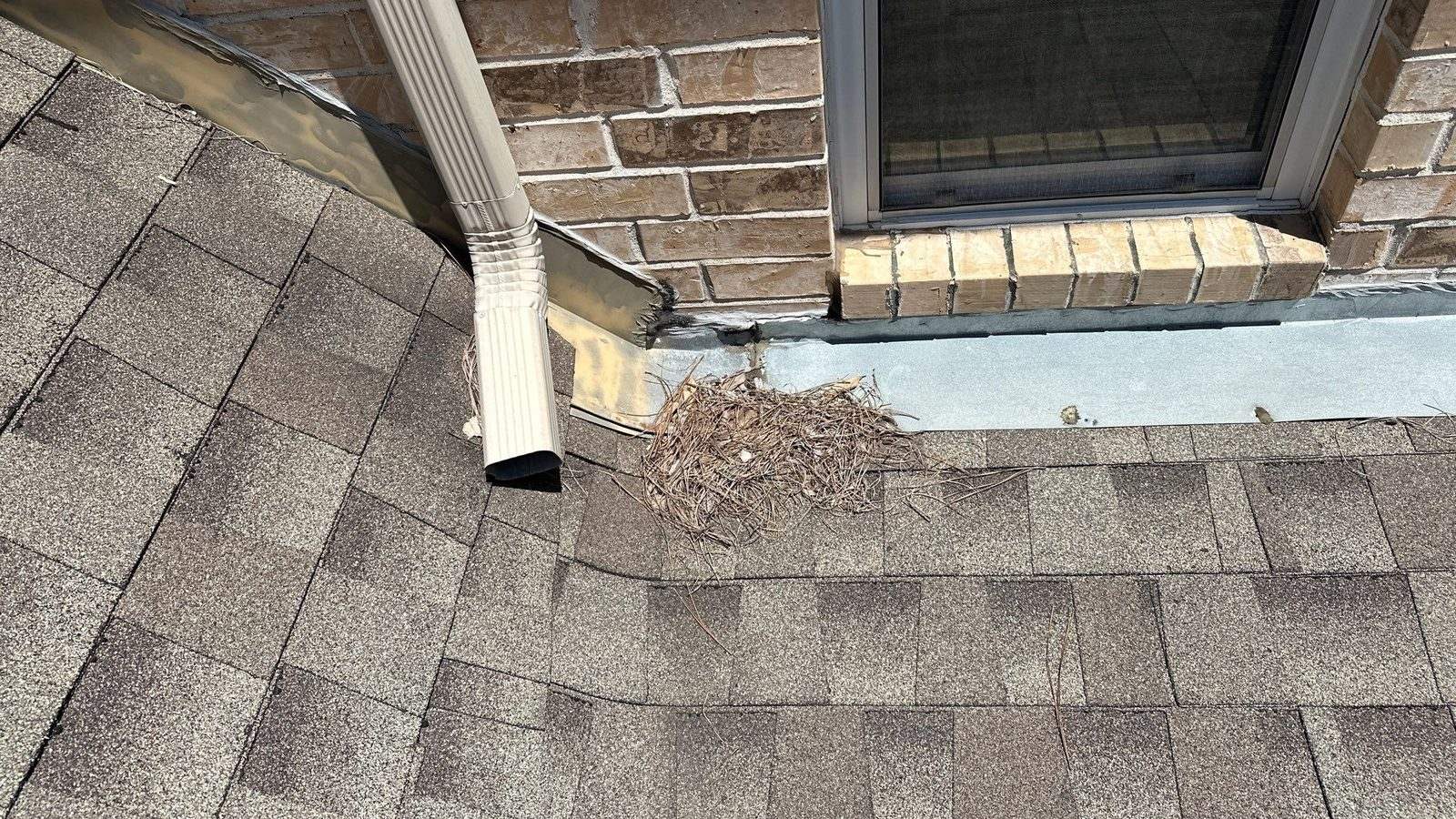
You do not need to climb onto your roof to take good care of it. A few minutes each season, looking from the yard with binoculars, watching the gutters during a rain, and checking the attic with a flashlight, will catch most early warning signs. This checklist organizes those safe, ground-level observations around Houston-area weather and tells you when to stop looking and call a professional.
Why check your roof by season?
Spring brings thunderstorms, wind and hail. Summer brings long stretches of heat that bake shingles and attics. The Atlantic hurricane season, according to the National Weather Service, runs from June 1 to November 30 each year. Fall drops leaves into gutters and valleys, and an occasional hard freeze tests the plumbing and equipment that many local homes keep in the attic.
Looking at the right things at the right time of year helps you spot small problems while they are still small. It is not a substitute for a professional inspection. For the bigger picture on what wears a roof out, see our guide on how long a roof lasts in Houston.
What are the ground rules for a safe roof check?
- Stay off the roof. Shingles can be slick when wet and easy to scuff when hot. Our roofing warranty page lists foot traffic among the things that can put coverage at risk.
- Use your eyes, not your feet. Binoculars or a phone camera zoom show a lot from the driveway or street.
- Treat ladders seriously. The CDC's National Institute for Occupational Safety and Health notes that ladder use carries a real risk of falling and that an extension ladder's proper angle is about 75 degrees. If a task needs more than a short step ladder, sits near power lines, or reaches a second story, leave it to someone with the right equipment.
- In the attic, step only on joists or a walkway. The drywall between them will not hold you. In summer, go on a cool morning.
The seasonal checklist
| Season | What to look for | Why it matters | Call a professional if |
|---|---|---|---|
| Spring storms | After wind or hail: shingle pieces or heavy granule piles in the yard and at downspout outlets; lifted or missing shingles seen through binoculars; new dents on gutters, vent caps or the outdoor AC unit | Storm damage is easiest to document soon after it happens, and small openings let water in during the next storm | Shingles are missing, a new ceiling stain appears, or you see hail dents on metal around the house |
| Summer heat | In the attic on a cool morning: daylight through the roof deck, damp or matted insulation, insulation pushed against the soffit vents, bath fan ducts that end loose in the attic. From the yard: curling or blistered shingles | Heat and trapped moisture age a roof faster and can hide slow leaks | The attic smells musty, nail tips are rusty, or the decking shows dark staining |
| Hurricane season (June 1–November 30) | Early in the season: limbs hanging over the roof, clogged gutters and downspouts, and a set of dated “before” photos of each side of the roof. After a storm: what you can see and photograph from the ground | Overhanging limbs and blocked drainage add risk in high wind, and baseline photos make it easier to show what changed | Any opening lets water in, a tree or limb is on the roof, or you see exposed underlayment or decking |
| Fall leaves | Gutters overflowing during rain, leaves piled in roof valleys or behind the chimney, downspouts that dump water against the foundation | Trapped debris holds water against the roof edge and slows drainage | Water spills over the gutter in the same spot every rain, or debris keeps collecting in the same valley |
| Winter freezes | After a hard freeze: drips, wet insulation or stains near attic plumbing, a water heater or HVAC equipment; fallen limbs in the yard | Not every wet spot in the attic is a roof leak, and finding the real source saves the wrong repair | You cannot tell whether water came from the roof or from equipment, or the stain keeps growing |
How to do each check well
From the yard
- Scan the ridge, the edges and the areas around pipes, vents, skylights and the chimney. Flashing at those openings is where many leaks begin; our guide to roof flashing shows what it should look like.
- Take photos from the same spots each season.
At the gutter line
- Watch the gutters during a steady rain. Overflow, sagging and water running behind the gutter show up best then.
- Check where downspouts discharge. The U.S. EPA recommends cleaning and repairing gutters regularly and making sure the ground slopes away from the foundation.
- Black streaks on the shingles are usually algae, which is mostly cosmetic. Our article on black streaks on Houston roofs explains what to do, and what not to do, about them.
In the attic
- Look at the underside of the roof deck around pipes, vents and the chimney for stains or dark rings.
- If you find wet material, the EPA advises drying water-damaged areas and items within 24 to 48 hours to help prevent mold growth.
When should you stop and call a professional?
Call when you see missing shingles, exposed underlayment, metal flashing pulled away from a wall or chimney, a sagging roof line, an active leak, or anything you could only check by stepping onto the roof. During a PL Roofing & Remodeling inspection we look at shingles, flashing and penetrations, gutters, drainage and ventilation, take an attic look when it is relevant, and give you a photo report you can keep.
If a storm has opened the roof, stay off it. Our emergency tarp page explains how temporary protection works. The Texas Department of Insurance suggests taking photos or video of damage, making temporary repairs to prevent further damage, keeping receipts, and waiting to make permanent repairs until the insurance adjuster has seen the damage. Whether anything is covered depends on your policy and is decided by your insurer.
Seasonal roof maintenance questions
Is it safe to walk on my roof to check it?
We do not recommend it. Wet shingles are slippery, hot shingles scuff easily, and foot traffic is one of the things that can put a roof warranty at risk. Binoculars from the yard and a flashlight in the attic cover most of what a homeowner needs to see.
When is hurricane season in the Houston area?
The National Weather Service says the Atlantic hurricane season runs from June 1 to November 30 each year. Early in the season is a good time to clear gutters, have overhanging limbs trimmed and take dated photos of your roof.
Can I pressure-wash my roof during spring cleaning?
No. High pressure strips the granules that protect asphalt shingles, and pressure washing is on our list of things that put warranty coverage at risk. Soft-washing or leaving the roof alone is the safer choice.
Spotted something from the yard you are not sure about? Book a free, photo-documented inspection or call PL Roofing & Remodeling at 832-860-0354. We will take a closer look so you do not have to climb. Hablamos español.
Sources
- National Weather Service, Hurricane Safety Tips and Resources (reviewed Oct. 29, 2026)
- CDC / NIOSH, Ladder Safety App (reviewed Oct. 29, 2026)
- U.S. EPA, A Brief Guide to Mold, Moisture and Your Home (reviewed Oct. 29, 2026)
- Texas Department of Insurance, Storm recovery tips (reviewed Oct. 29, 2026)