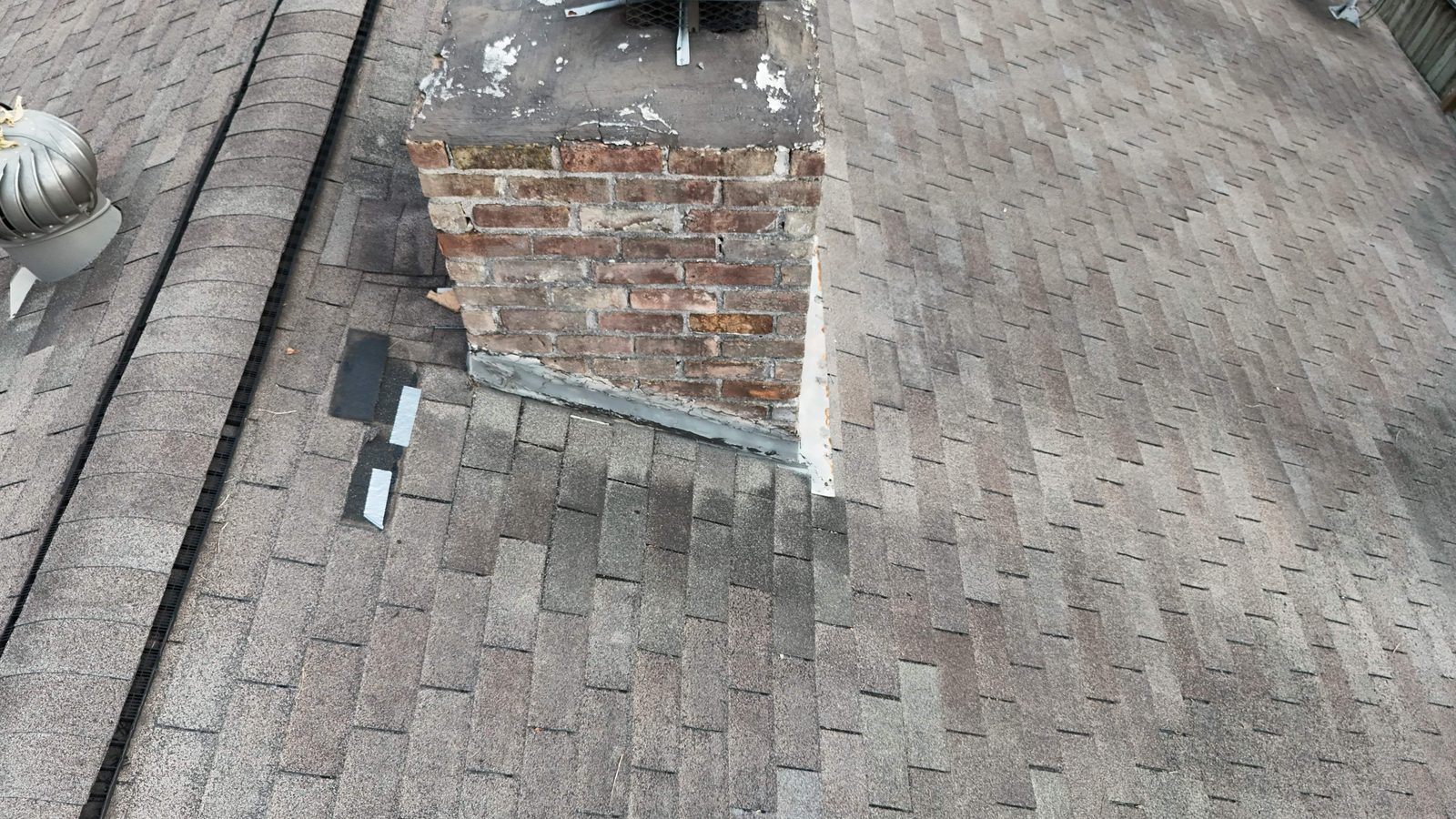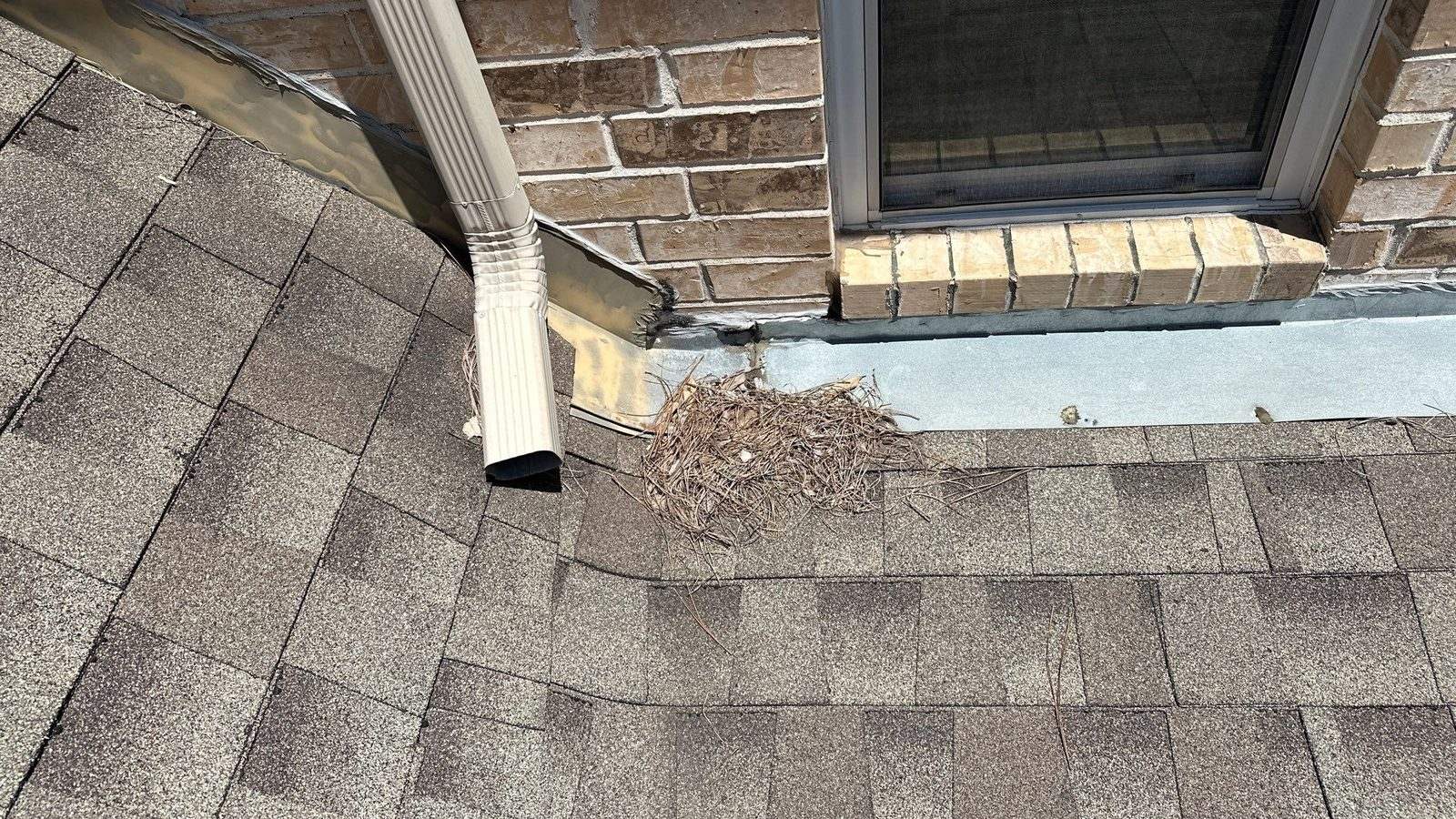
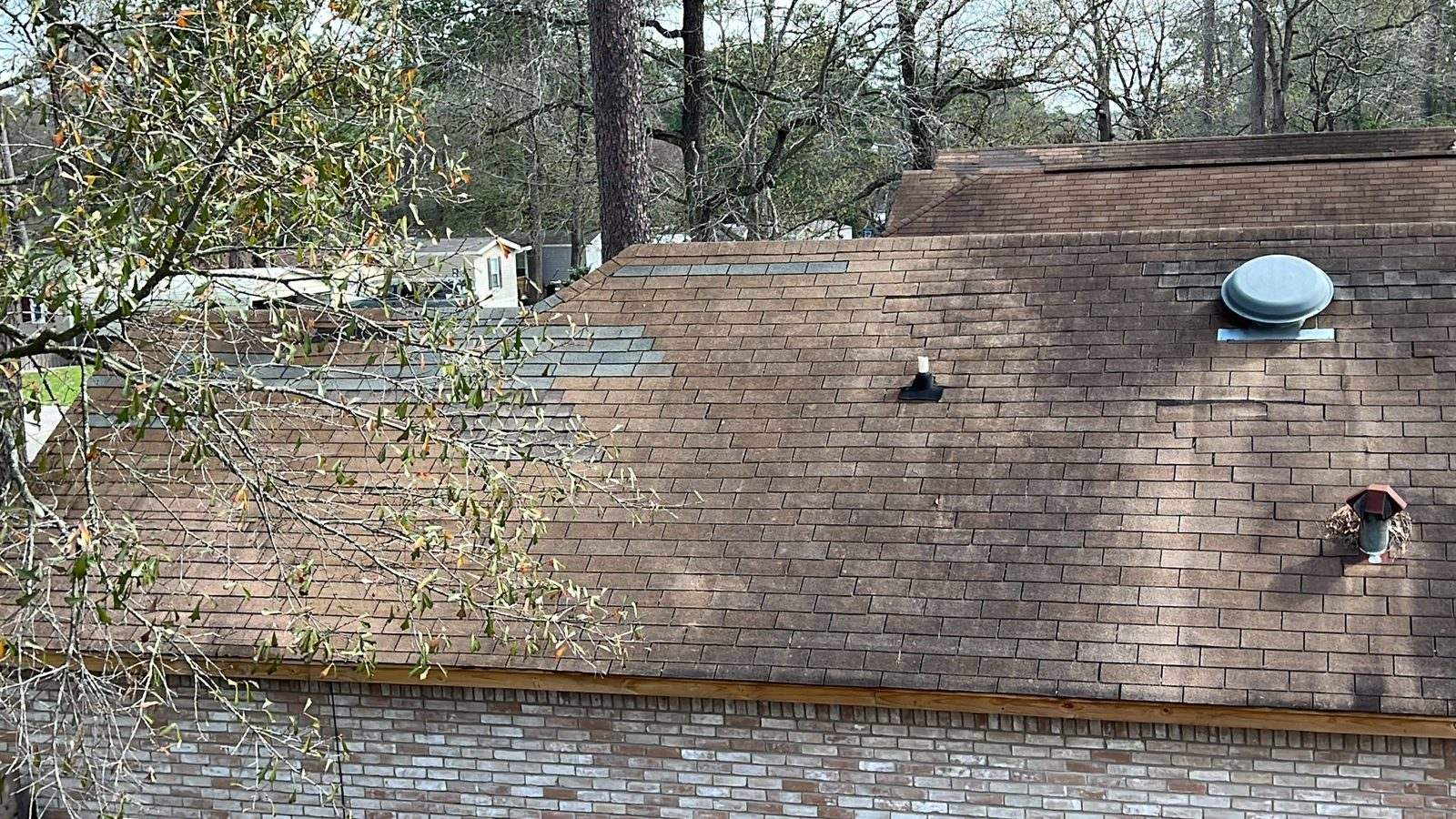
An older roof doesn't need to be replaced just because of its age, and it shouldn't be patched forever just to put off a big bill. The practical answer usually comes from three things you can actually look at: the roof's documented condition, its repair history, and when your budget can realistically handle a replacement. For many families the right choice sits in the middle: make a sound repair now and plan the replacement on purpose instead of in a hurry.
Our repair-or-replace checklist helps you sort the physical signs on a 15- to 25-year-old roof. This guide covers what comes next: turning those signs into a decision that fits your household, and the records and evidence that make it easier.
Why isn't age alone the answer?
Two roofs installed the same year can be in very different shape. Age tells you to pay closer attention, not what to do. The Texas Department of Insurance also explains in Insurance and your roof that insurers won't pay for a roof just because it is old or worn, and that some companies switch older roofs to actual cash value coverage. For normal wear, the decision comes down to condition and budget.
Start a simple repair history log
A single page, or a note on your phone, that records every roof event is one of the most useful tools you can have. When a roofer sees that the same valley has leaked three times, the picture changes. For each event, write down:
- The date, and where the problem showed up inside (which room, which part of the ceiling).
- What the roofer said caused it, and where on the roof.
- What was done: sealant, a replaced pipe boot, new flashing, replaced shingles.
- Who did the work, what it cost, and whether a written warranty came with it.
- Before-and-after photos, plus the date of any storm that came before the leak.
One leak with one clear cause, repaired properly, is normal upkeep. Leaks that keep moving or repairs that keep failing point to a roof that is wearing out as a whole.
What are the three realistic paths?
Most decisions about an aging roof land on one of three paths. A good inspection should tell you which one fits your roof and why.
| Path | When it usually fits | What you do next | What to keep an eye on |
|---|---|---|---|
| Repair and monitor | The problem is limited to one area, shingles are still flexible, the decking feels solid and the leak history is short | Make the repair, keep the photos and have the roof rechecked after major storms | New ceiling stains, granules building up in gutters, or shingles lifting nearby |
| Repair now, plan replacement | The roof still sheds water, but wear is spreading or repairs are coming more often | Fix the active problem properly and set a target window for replacement | Repairs costing more each time, or leaks showing up in new places |
| Replace now | Wear covers several slopes, decking is soft, leaks keep coming back, or repairs would cost a large share of a new roof | Get a written replacement scope, compare materials and warranty options, then schedule | Don't let urgency rush the paperwork; read every line of the estimate |
Why the middle path is often the practical one
"Repair now, plan replacement" gives you time to budget, compare estimates, choose materials and pick a calm time of year for the work,. It only works when the repair is a real repair that stops the active leak, not a bead of caulk to get through the month.
How do I fit the decision to my budget?
Instead of comparing a repair bill with a replacement bill in the abstract, put both on a timeline. Hypothetical example: a roof needs one flashing repair now and will probably need replacing within a few years. The homeowner pays for the repair, then sets money aside or lines up payment options ahead of the target date. If the roof instead needed new repairs every year on different slopes, moving the replacement up might be the better use of that money.
- Every estimate should state the scope and the price in writing. The Texas Department of Insurance's roof scam guidance recommends getting written estimates, comparing bids and not paying the full amount up front.
- If you would like to spread out the cost, PL Roofing & Remodeling can point you to third-party payment options. We are a roofing contractor, not a lender, so approval, rates and terms come from the lender.
- If a storm caused recent damage, document it before any permanent repair. TDI's storm recovery tips advise making temporary repairs to prevent further damage, waiting on permanent repairs until the adjuster has seen the damage, and keeping receipts. Whether anything is covered depends on your policy and is decided by your insurer.
What evidence should I ask for before I decide?
Whether a roofer recommends a repair or a replacement, you should be able to see why. Before you decide, ask for:
- Photos of each problem area, with enough of the surroundings to tell where on the roof it is.
- The cause, in plain words, not just the symptom.
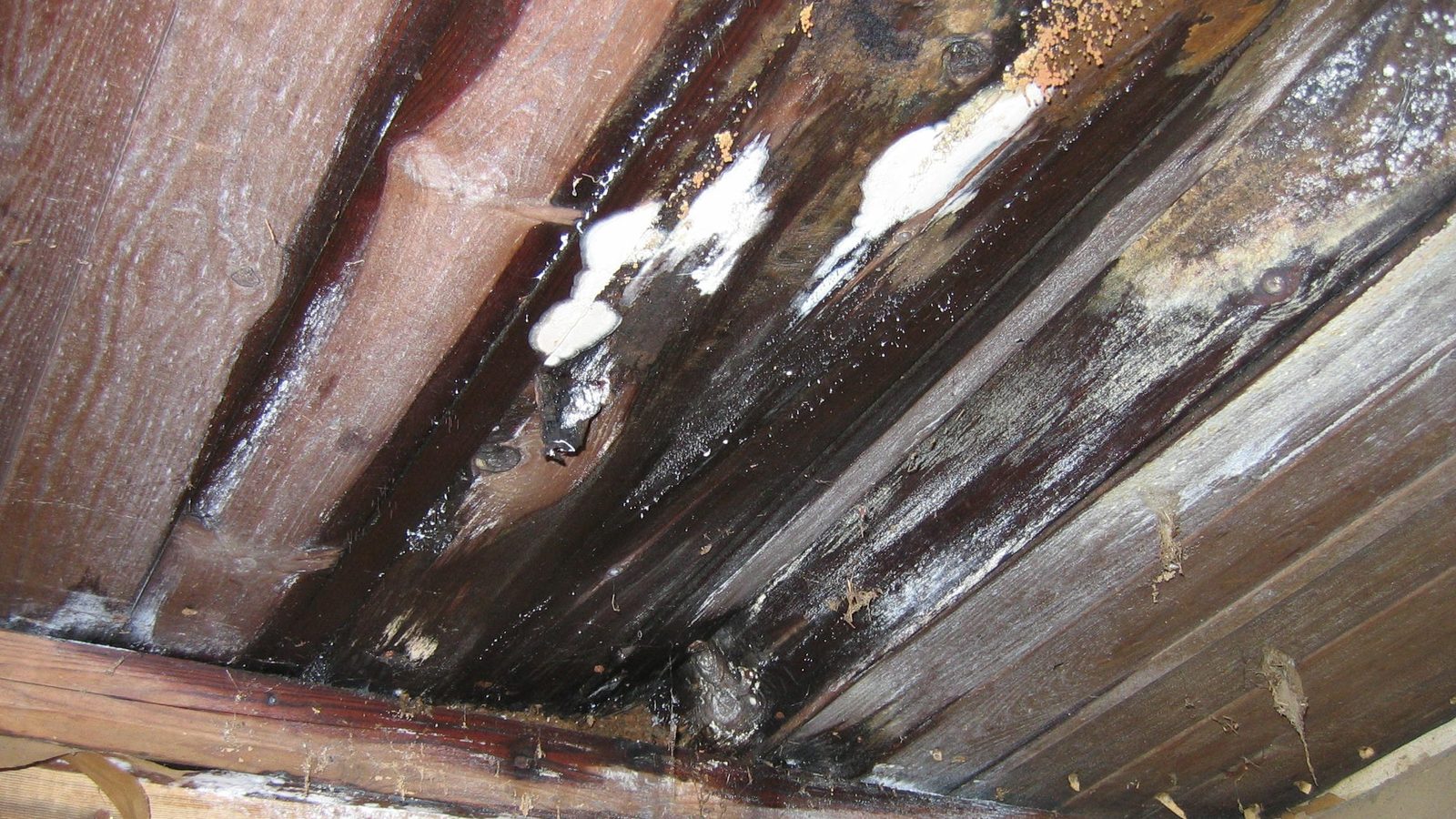
- Any signs of soft or damaged decking. Our guide to roof decking damage explains what those look like.
- A written scope (see how to read a roofing estimate) and, if replacement is recommended, why a repair would not be enough.
- How long the roofer expects the repair to last, and whether it carries a warranty in writing.
How does PL Roofing & Remodeling approach the decision?
Our inspections are free and carry no obligation. We photograph every concern, explain what we found in plain language, and give you a repair-versus-replacement recommendation along with a written estimate or next-step plan. If a small repair will do, we quote the small repair. If replacement is the smarter long-term move, we show you the photos that support it, and you decide on your own schedule. Often the most useful answer is simply whether to plan for repairs now or a replacement in the next few years.
Repair or replace: common questions
Is it a waste of money to repair a roof I'll replace in a few years?
Not necessarily. A sound repair that stops an active leak protects the decking, insulation and ceilings underneath while you plan. It becomes a poor use of money when repairs keep failing or new leaks keep appearing in different places.
What if the recommendation doesn't match the photos?
Get another opinion. The Texas Department of Insurance recommends comparing written bids before you decide.
Will my insurance replace an old roof?
According to TDI, insurers won't pay for a roof just because it is old or worn. Storm damage is a separate question, and whether it is covered depends on your policy and the insurer's decision. As a roofing contractor, we can provide claim documentation: photos, measurements and a contractor estimate.
Not sure which path fits your roof? Book a free, photo-documented inspection and we'll walk you through repair, replacement or a plan in between, with no pressure. Or call PL Roofing & Remodeling at 832-860-0354. Hablamos español.
Sources
- Insurance and your roof, Texas Department of Insurance (reviewed Oct. 29, 2026)
- State law cracks down on roof scams, Texas Department of Insurance (reviewed Oct. 29, 2026)
- Storm recovery tips, Texas Department of Insurance (reviewed Oct. 29, 2026)