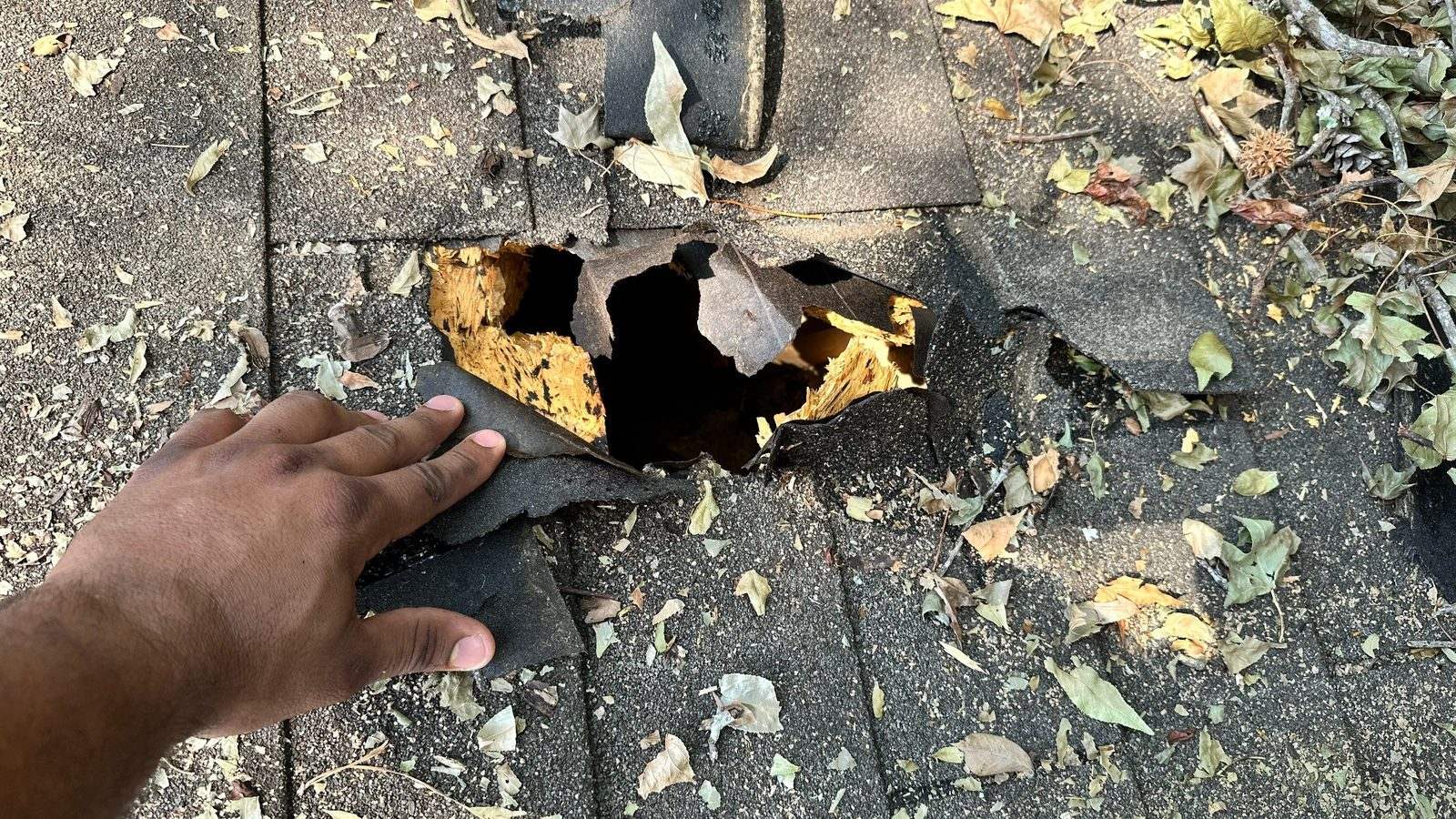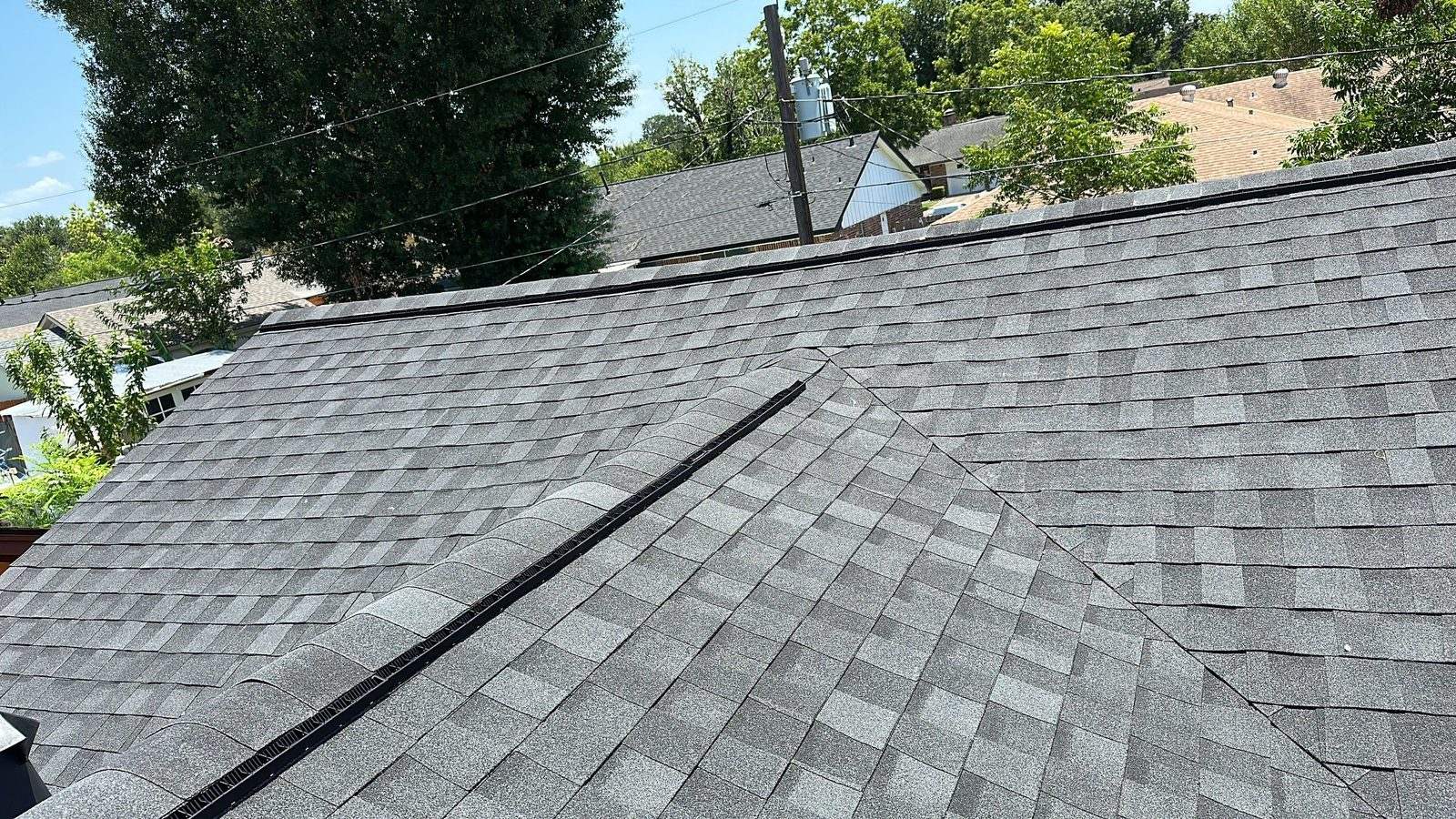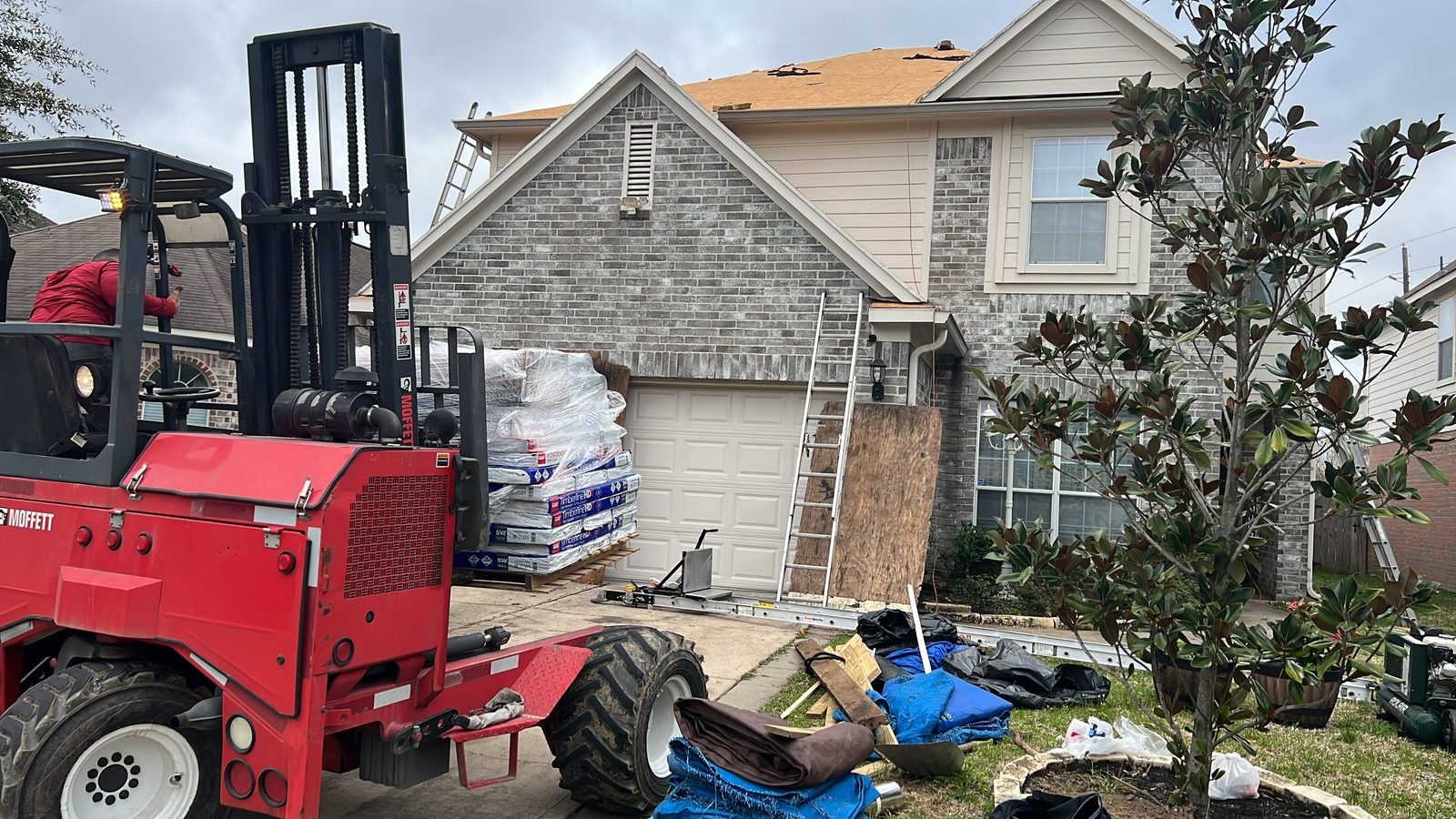
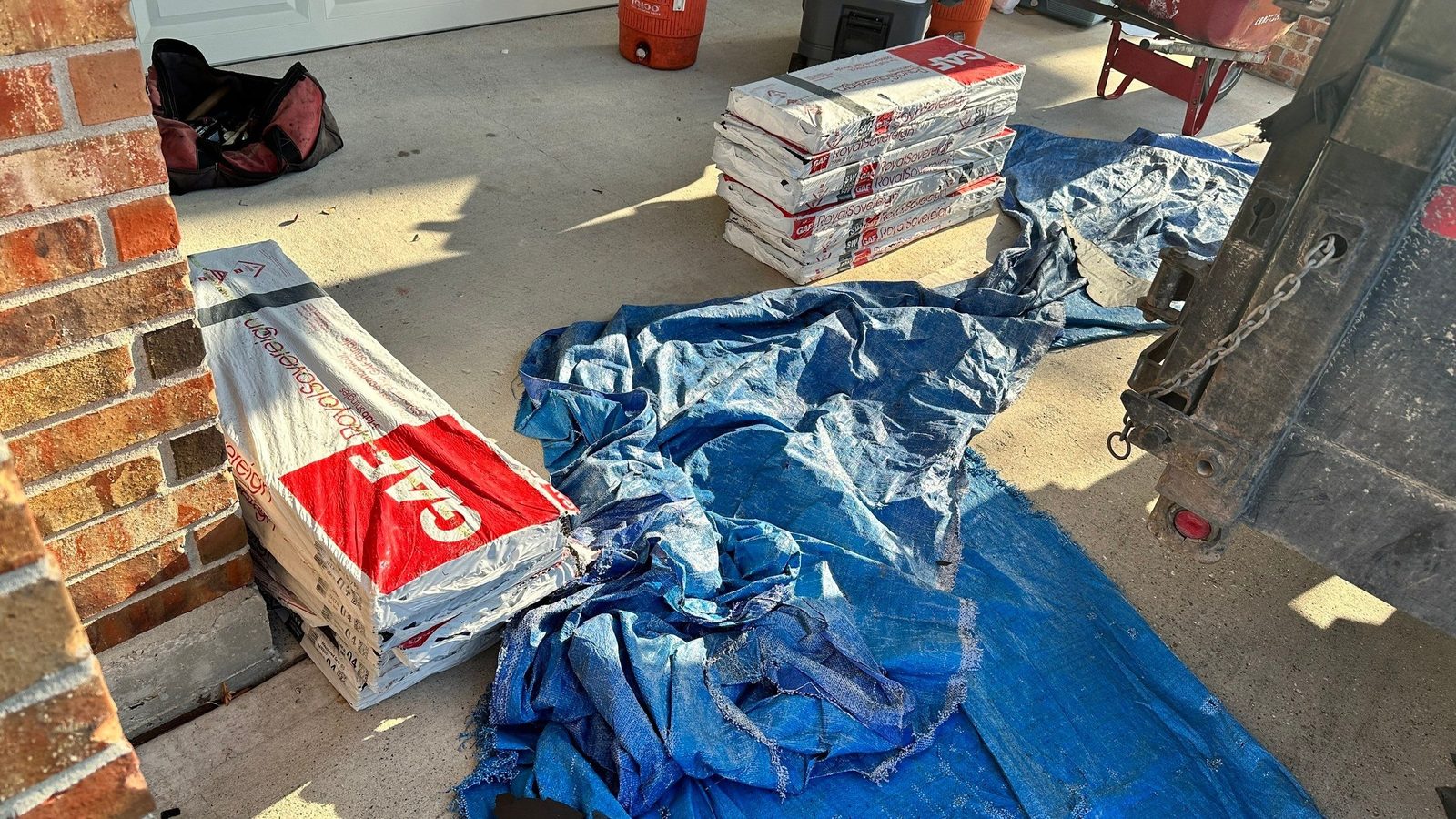
When the crew drives away, the roof is done, but the paperwork is what lets you use it later. Keep the contract and invoices, your payment receipts, the product names and colors, both warranties and any registration confirmation, the completion photos, and any permit records, together in one folder with a digital copy. Those few documents answer the questions that come up years later: when a warranty claim, an insurance question or a home sale needs proof of what was installed, when and by whom.
Why does roof paperwork matter years later?
A roof usually outlasts everyone's memory of the job. The questions come much later, and almost always at an inconvenient time:
- A warranty question. The manufacturer may ask for the product, the installation date and proof of purchase. The Federal Trade Commission notes that a receipt proves the date you bought a product and that you are the original owner, and that some warranties require you to register a product to qualify for service.
- An insurance question. The Texas Department of Insurance explains that insurers may move a policy from replacement cost to actual cash value as a roof ages, so being able to show when the roof was installed is useful at renewal time and after a storm.
- A home sale. Buyers, inspectors and their agents often ask how old the roof is and whether any warranty transfers. Our guide for buyers looking at a roof before closing shows the questions you are likely to hear.
What should you keep?
| Document | Why keep it | Where it comes from |
|---|---|---|
| Signed contract and final estimate | Shows the agreed scope, the system installed and the workmanship term | Your roofer, before work starts |
| Final invoice | Records what was actually installed and billed, including any deck replacement or added work | Your roofer, at or after completion |
| Payment receipts | Proof of what you paid and when; useful for warranty, insurance and tax records | Your roofer, for each payment |
| Product information: shingle brand, product line, color, and any bundle label or wrapper the crew can spare | Helps match repairs later and identify the product for a manufacturer warranty | Your estimate or invoice, or ask the crew on installation day |
| Manufacturer warranty and registration confirmation | Material defects are the manufacturer's coverage, and some warranties require registration | The shingle manufacturer; ask your roofer whether registration is your step or theirs |
| Workmanship warranty document | States how long the installer stands behind the installation and what can affect coverage | Your roofer, in writing |
| Completion photos | A record of how the roof looked when it was finished, for comparison later | Your roofer, at the final walkthrough |
| Permit and inspection records, if any | Shows any required permit and inspection were handled | Your roofer or your city's permitting office; requirements vary by city and type of work |
| Maintenance or care notes | What to avoid so coverage stays in place | Your roofer and the manufacturer's warranty terms |
| Contacts: office phone, email, job or invoice number | Makes it quick to report a problem or ask a question | Your invoice and closeout paperwork |
What PL Roofing gives you at the end of a job
On a PL Roofing & Remodeling roof replacement, the job ends with a final inspection and a walkthrough with you, completion photos, and your warranty and closeout information explained so you know what is covered. Your workmanship warranty term, 5, 10 or 15 years depending on the system installed, is confirmed in writing before you sign and appears on your estimate and closeout paperwork. The manufacturer's warranty on the shingles is separate and set by the manufacturer. Every payment is applied to your invoice and confirmed with a receipt. Our roofing warranty page explains both layers of coverage, and our article on roof warranties covers proration, transfers and registration in more depth.
Those photos matter later. If you ever call us with a warranty concern, we pull the photo record from your installation and compare it to the roof's condition today.
How should you store it?
- One folder. Paper or digital, keep every roof document together, labeled with the address and installation date.
- A second copy. Scan or photograph paper documents and save them somewhere other than your phone, such as cloud storage or an email to yourself. Download emailed invoices and receipts instead of leaving them in an inbox.
- A short summary on top. One page with the installation date, the shingle product and color, the workmanship term and end date, and the roofer's phone number answers most questions without digging.
- Add to it. Repairs, inspections and storm photos belong in the same folder. The Texas Department of Insurance suggests photographing storm damage and keeping receipts for repairs.
A few cautions
- Get receipts for every payment, whatever the method. Our payments page also notes that our bank details never change by email; if you receive new wire or bank instructions, call the office before sending money.
- Before you sell, ask about transfer. For a PL roof, call us before you list; transferability depends on the tier and the manufacturer system, and we confirm what applies to your roof in writing.
- Before another trade touches the roof, check your warranty terms. Work done afterward by someone else is the most common reason workmanship coverage lapses.
Questions about keeping roof records
How long should I keep my roof paperwork?
For as long as you own the home, and pass it to the buyer when you sell. The warranty terms, installation date and product information stay relevant for the life of the roof.
Do I need to register my shingle warranty?
It depends on the manufacturer and product. The FTC notes that some warranties require registration to qualify for service. Ask your roofer whether registration applies and who completes it, and keep the confirmation.
What if I lost my roof documents?
Contact the roofer who installed it and ask for copies of the invoice, warranty and photos. Your city's permitting office may have a permit record if one was pulled.
Why do completion photos matter?
They show how the roof looked when it was finished. If a question comes up later, comparing today's condition with those photos helps separate an installation issue from storm damage or a material defect.
Have questions about your roof records or warranty? Book a free, photo-documented inspection or call PL Roofing & Remodeling at 832-860-0354. Hablamos español.
Sources
- Federal Trade Commission, Warranties (reviewed Oct. 29, 2026)
- Texas Department of Insurance, Insurance and your roof (reviewed Oct. 29, 2026)
- Texas Department of Insurance, Storm recovery tips (reviewed Oct. 29, 2026)