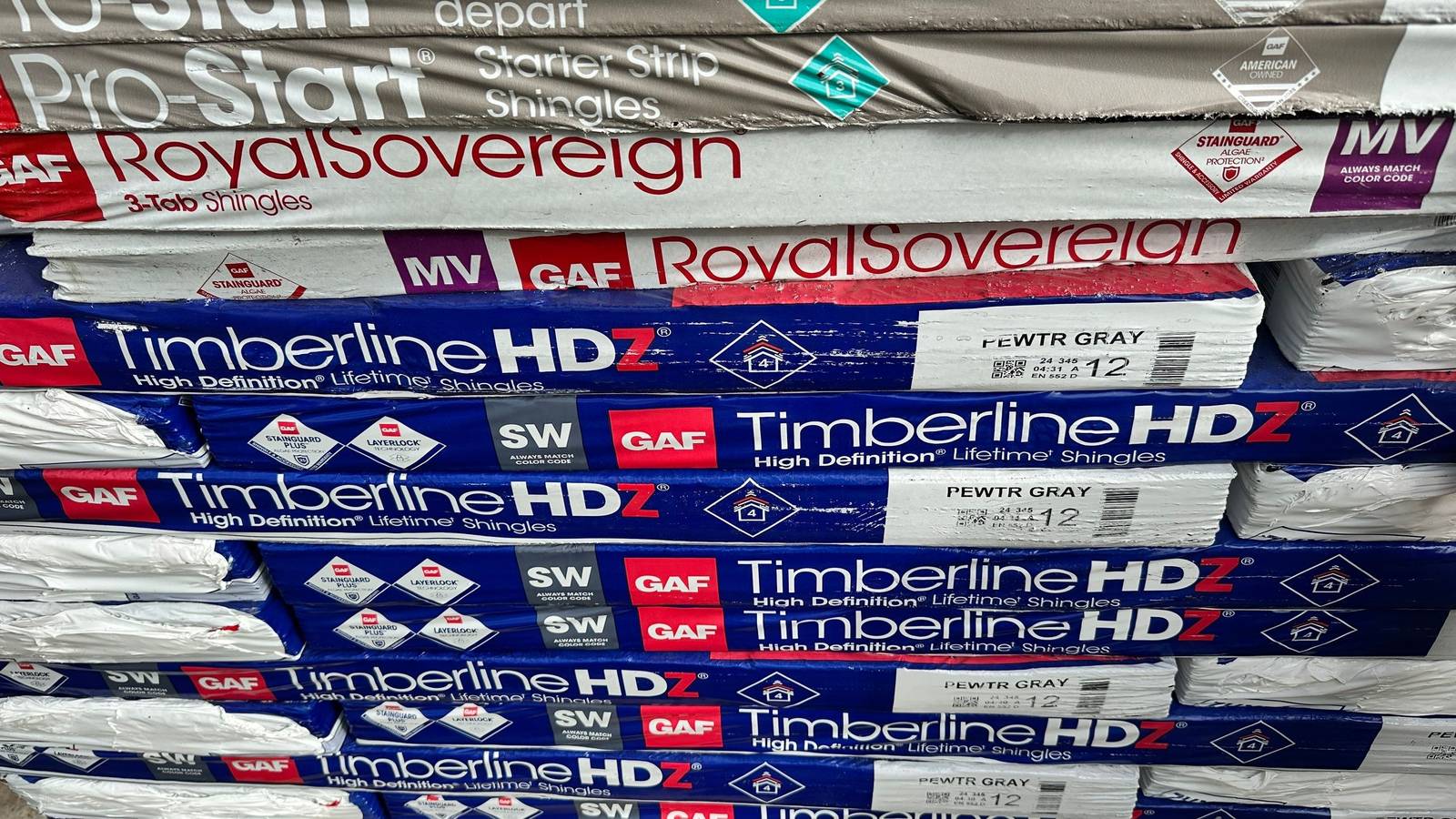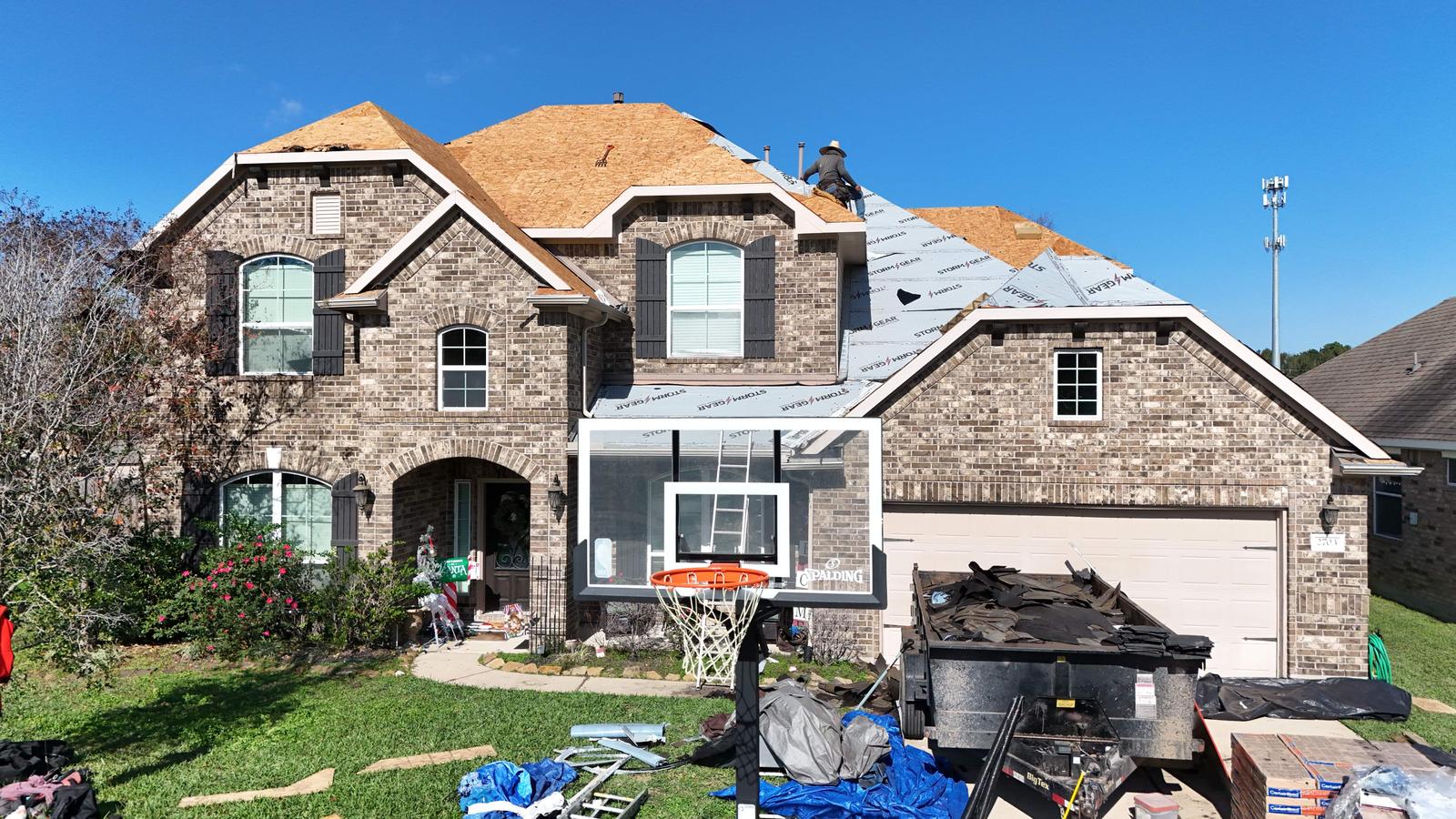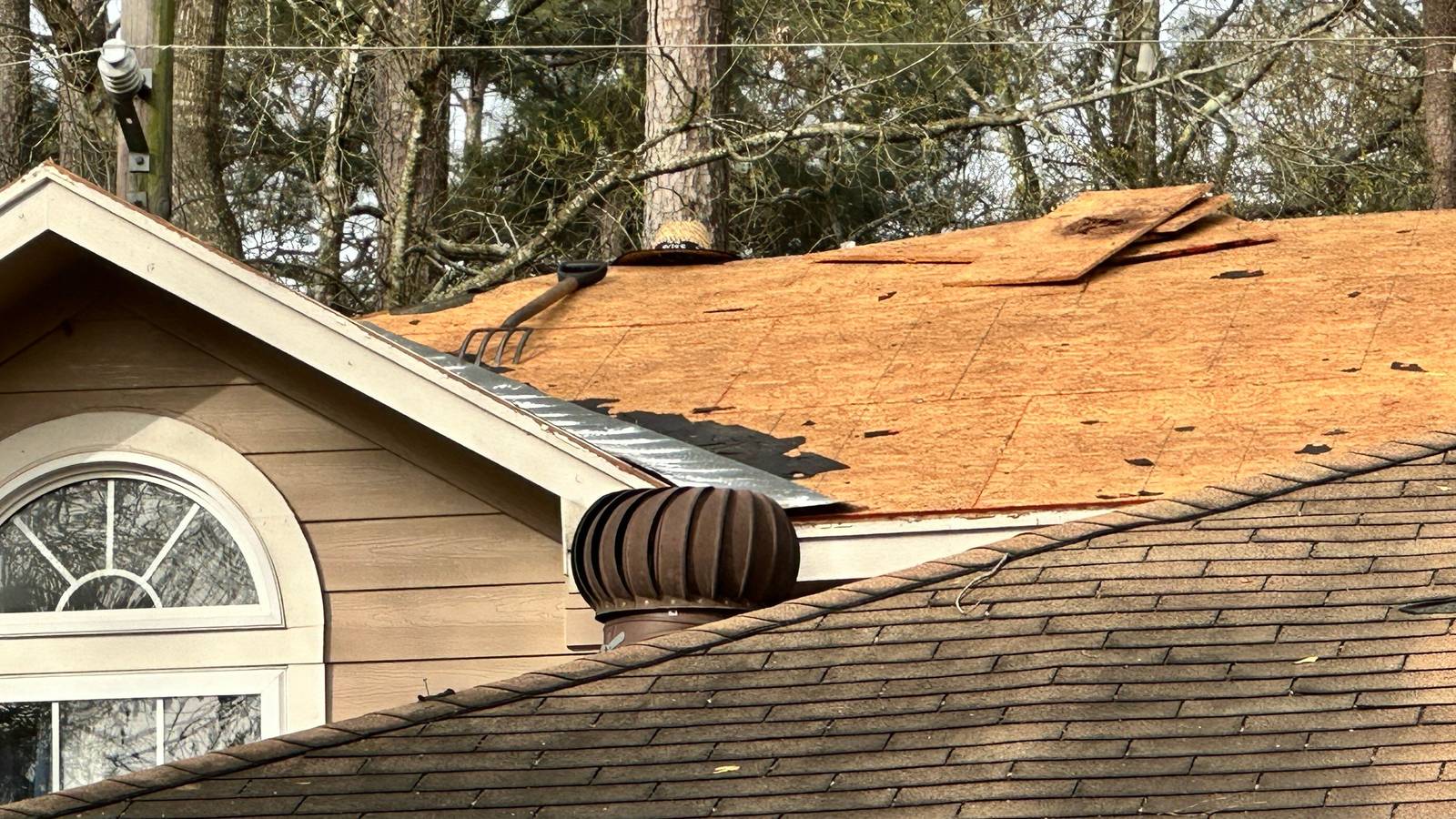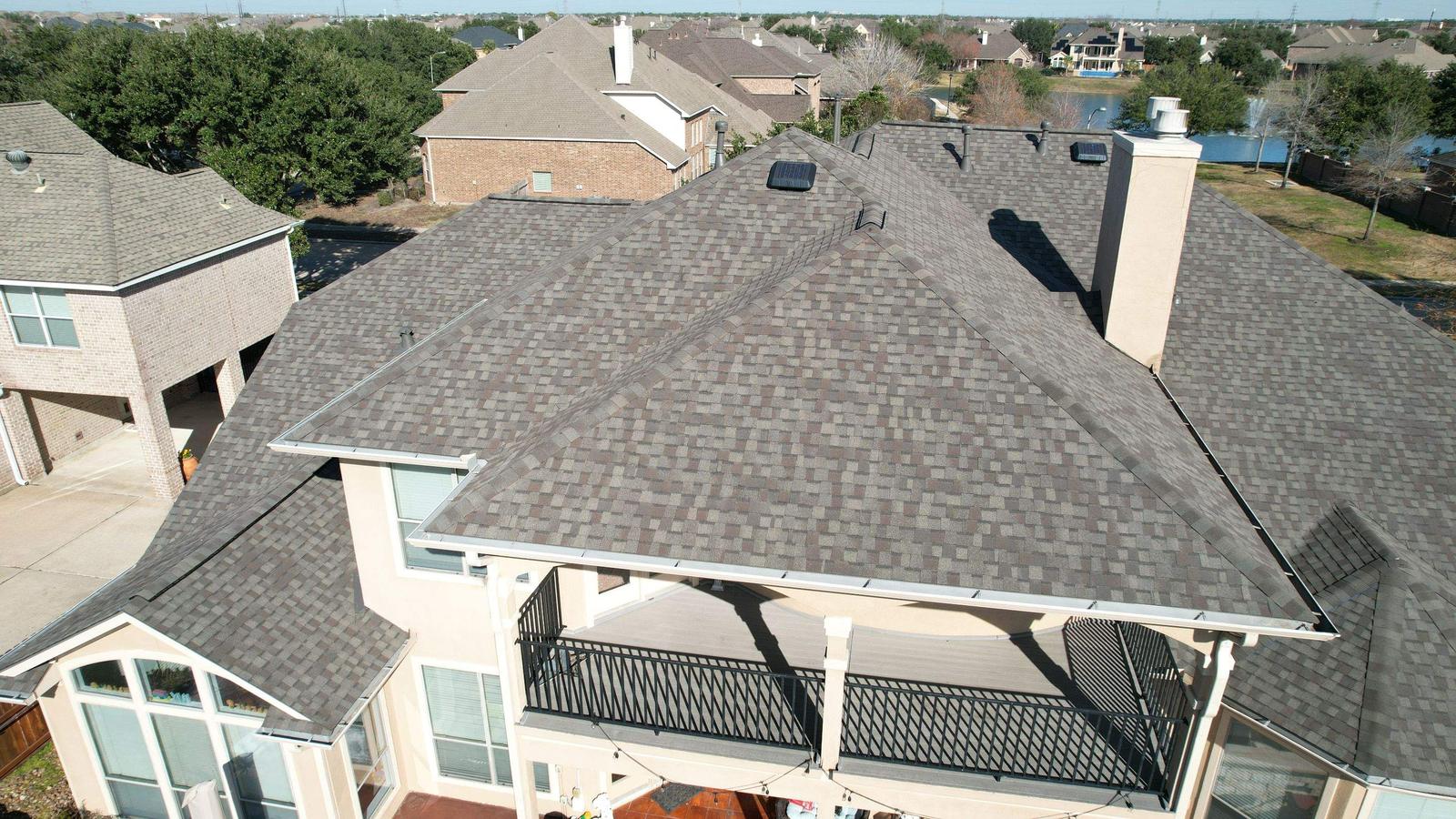
A new roof usually comes with two separate warranties: a manufacturer's limited warranty that covers defects in the shingles, and a workmanship warranty from your roofer that covers how the roof was installed. Some manufacturers also offer enhanced system warranties that add more components and sometimes installation coverage, but only through contractors they credential. Before you sign, find out how long each warranty is non-prorated, whether it transfers when you sell, whether it has to be registered and what could void it.
"Lifetime warranty" sounds simple, but the fine print decides what you actually get. A shingle can be under warranty while a leak caused by bad flashing is not, and a warranty that covers full replacement cost in year three may cover only part of the material cost in year twenty. Here is how roof warranties work in plain language, so you can compare them before you choose a roofer.
What is the difference between a manufacturer warranty and a workmanship warranty?
| Manufacturer (material) warranty | Workmanship warranty | |
|---|---|---|
| Who backs it | The shingle maker | Your roofing contractor |
| What it covers | Manufacturing defects in the shingles and, in some cases, accessories | Installation: fastening, flashing, penetrations, ventilation and detail work |
| Typical length | Often a limited lifetime term for the original owner, with a shorter non-prorated period | Set by each contractor; varies widely |
| Common gap | Leaks caused by installation errors | Defects in the material itself |
You want both, because they cover different risks. A perfect shingle installed wrong will still leak. At PL Roofing & Remodeling, every roof replacement includes a tiered workmanship warranty of 5, 10 or 15 years depending on the system installed, alongside the manufacturer's own warranty. The term is confirmed in writing before you sign and is included in the price. Our roofing warranty page has the details.
What is an enhanced or system roof warranty?
Manufacturers sell complete roof systems: shingles plus their own starter strip, underlayment, leak barrier, ventilation and ridge caps. When a roof is built with enough of those qualifying parts, some manufacturers offer enhanced warranties with longer non-prorated coverage, and a few include coverage for installation errors.
- GAF explains that its enhanced warranties depend on the contractor's credential: Certified contractors can offer the System Plus warranty, while Silver Pledge and Golden Pledge, which include coverage for misapplication, require higher contractor tiers.
- Owens Corning notes that the lifetime workmanship coverage in its Platinum Protection warranty is available only to the original purchaser and is not fully transferable.
These programs can be valuable, but they are only available through contractors a manufacturer has credentialed. PL Roofing & Remodeling is not a manufacturer-certified contractor, so we do not offer those programs. We confirm in writing which manufacturer warranty applies to the products on your roof, plus our own workmanship term.
What does prorated vs non-prorated mean on a roof warranty?
A non-prorated period is the early window when the manufacturer's coverage is strongest. After it ends, coverage is usually prorated, meaning it shrinks as the roof ages to reflect the use you have already had. TAMKO's shingle limited warranty is a clear example:
TAMKO shingle limited warranty: during and after the Full Start period
| Coverage | During the Full Start period | After the Full Start period |
|---|---|---|
| Replacement shingles | The reasonable cost of replacement shingles | A prorated share of the replacement shingle cost |
| Labor to install them | Covered, excluding tear-off, disposal and accessories | Not covered; TAMKO states it is not responsible for any labor |
| Underlayment, flashing or metal work | Not covered | Not covered |
Other brands use their own names for this window, such as CertainTeed's SureStart or GAF's Smart Choice protection period. When comparing roofs, the length of the non-prorated period often tells you more than the word "lifetime."
Does a roof warranty transfer when you sell, and do I need to register it?
Sometimes, with conditions. TAMKO, for example, allows the original owner of its laminated shingles to transfer the warranty one time during the first five years, and requires written notice within 30 days of the transfer. Other manufacturers have their own rules, and enhanced workmanship coverage may not transfer at all. For our workmanship warranty, transferability depends on the tier and the system installed, so ask us before you list and we will confirm it in writing.
If you are buying a home, ask the seller for the original warranty paperwork and invoices. Our guide to roof inspections before buying a home covers what else to request.
Registering your warranty
Check the paperwork. The Federal Trade Commission notes that sometimes you must register a product to qualify for warranty service, and that warranty terms must be available for you to read before you buy. Enhanced system warranties are typically registered by the credentialed contractor. Either way, keep a folder with your contract, invoice, product names, colors, installation date and photos.
What can void a roof warranty?
- Improper installation. Manufacturer warranties generally cover shingles installed according to the manufacturer's written instructions, including nailing and starter courses.
- Poor attic ventilation. Trapped heat and moisture shorten shingle life. Our guide to attic ventilation in Texas heat explains why.
- Installing over an old roof. An overlay hides the decking and may not meet the manufacturer's application requirements. Read the instructions before agreeing to one.
- Another contractor's work. Repairs or additions by someone else are a common reason workmanship coverage lapses.
- New penetrations. Satellite mounts, solar standoffs and vents cut in later break the seal unless properly flashed.
- Pressure washing. High pressure strips the granules that protect the asphalt.
- Deferred repairs. A small flashing issue left alone can become decking damage.
Storm damage is usually not a warranty claim. Wind and hail losses go through your homeowners insurance, where coverage depends on your policy and your insurer decides. Some wind warranties also end coverage if winds exceed the shingle's rated speed.
What should I ask a roofer about the warranty?
- Which exact manufacturer warranty applies to my shingles, and how long is the non-prorated period?
- How long is your workmanship warranty, and what does it cover and exclude?
- Is the warranty included in the price, or an extra charge?
- Does it transfer if I sell, and what do I need to do?
- Does anything need to be registered, and who does it?
- Where is all of this written in my contract?
For more on vetting a roofer, see our guide to choosing a trustworthy roofing contractor.
Roof warranty questions
Does a lifetime shingle warranty mean my roof lasts forever?
No. "Lifetime" usually refers to how long the original owner of a single-family home is covered, and after the non-prorated period the coverage is typically reduced. It does not predict how long the roof will actually last.
Will my roof warranty cover hail or wind damage?
Usually not. Storm damage is generally an insurance matter. Coverage depends on your policy; your insurer decides.
Who do I call if my new roof leaks?
Call your roofer first. A leak on a new roof may come from an installation detail like flashing, which the workmanship warranty covers. The roofer can tell you whether it is workmanship, material or storm related.
Want to know exactly what your roof's warranty covers? Book a free, photo-documented inspection with no obligation, or call PL Roofing & Remodeling at 832-860-0354. We put the manufacturer and workmanship terms in writing before you sign. Hablamos español.