Two or three roofing estimates for the same house rarely describe the same job, so the totals at the bottom are not really comparable until the scope is. Line the bids up item by item: measurements, tear-off, underlayment, flashing, ventilation, decking allowance, disposal, permits, warranty and exclusions. Where a bid is silent, ask the roofer to fill in the gap in writing. Then you are comparing roofs, not just numbers.
Our guide on how to read a roofing estimate walks through a single estimate line by line. This one picks up where that ends: several bids on the kitchen table, each laid out differently, and you want a fair way to compare them.
Why do estimates for the same roof come in so far apart?
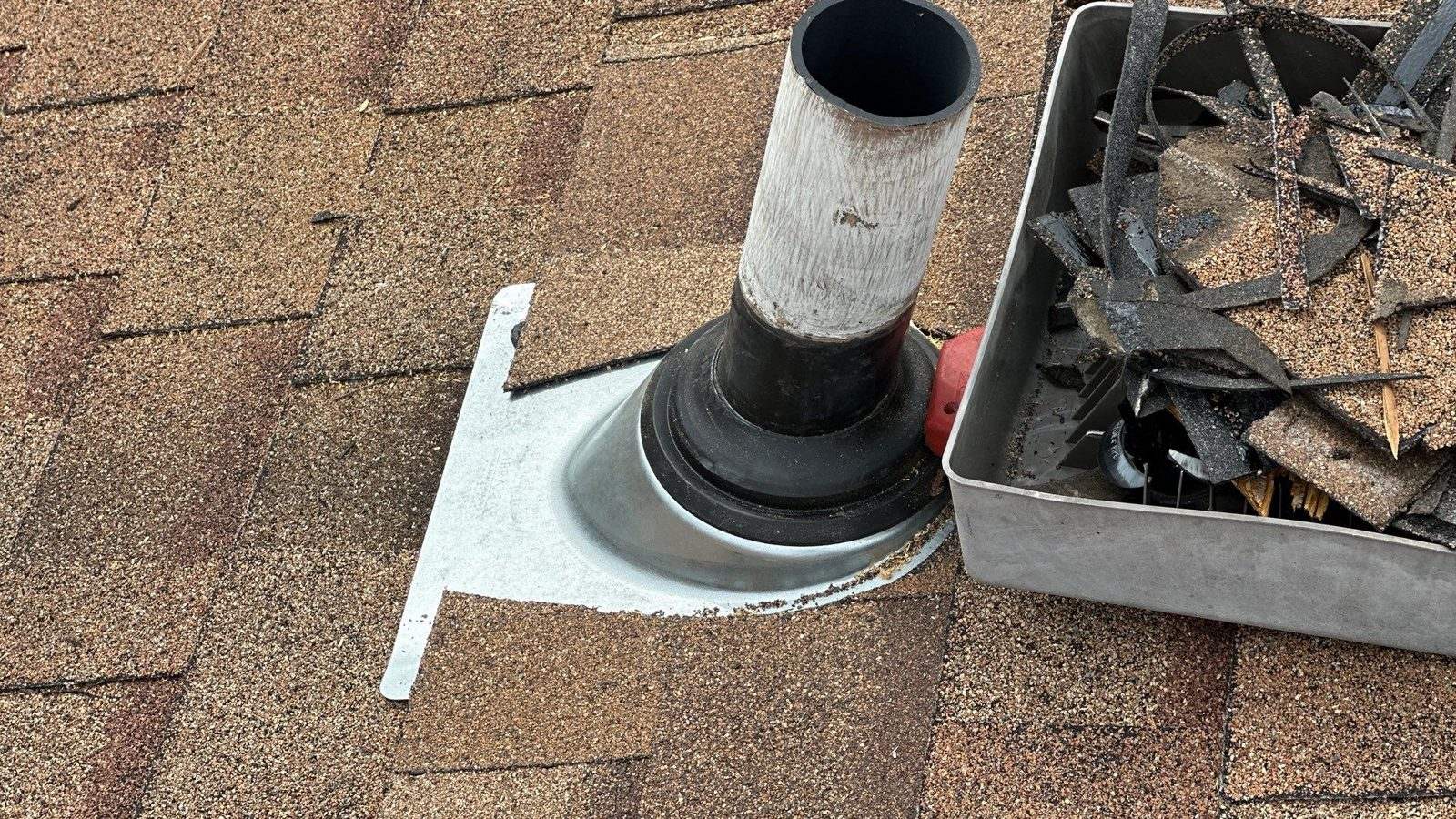
Most of the gap is usually scope, not markup. One roofer plans new pipe boots and wall flashing while another reuses them; one includes ridge ventilation, another lists it as an option; one includes a few sheets of decking, another none. Each choice is fair to discuss, but it changes what the total means.
The Texas Department of Insurance encourages homeowners to get written estimates with clear contact information and to compare bids (TDI: State law cracks down on roof scams).
A side-by-side worksheet you can use
Copy this grid, add a column per bidder, and note what each estimate says. Blank cells become your question list.
| Item | What to look for | Why totals differ |
|---|---|---|
| Roof measurement | Number of squares (100 sq ft each) and whether a waste factor is included | Different measurement methods or waste allowances change the material count |
| Tear-off | How many existing layers will be removed | An extra layer means more labor and more debris |
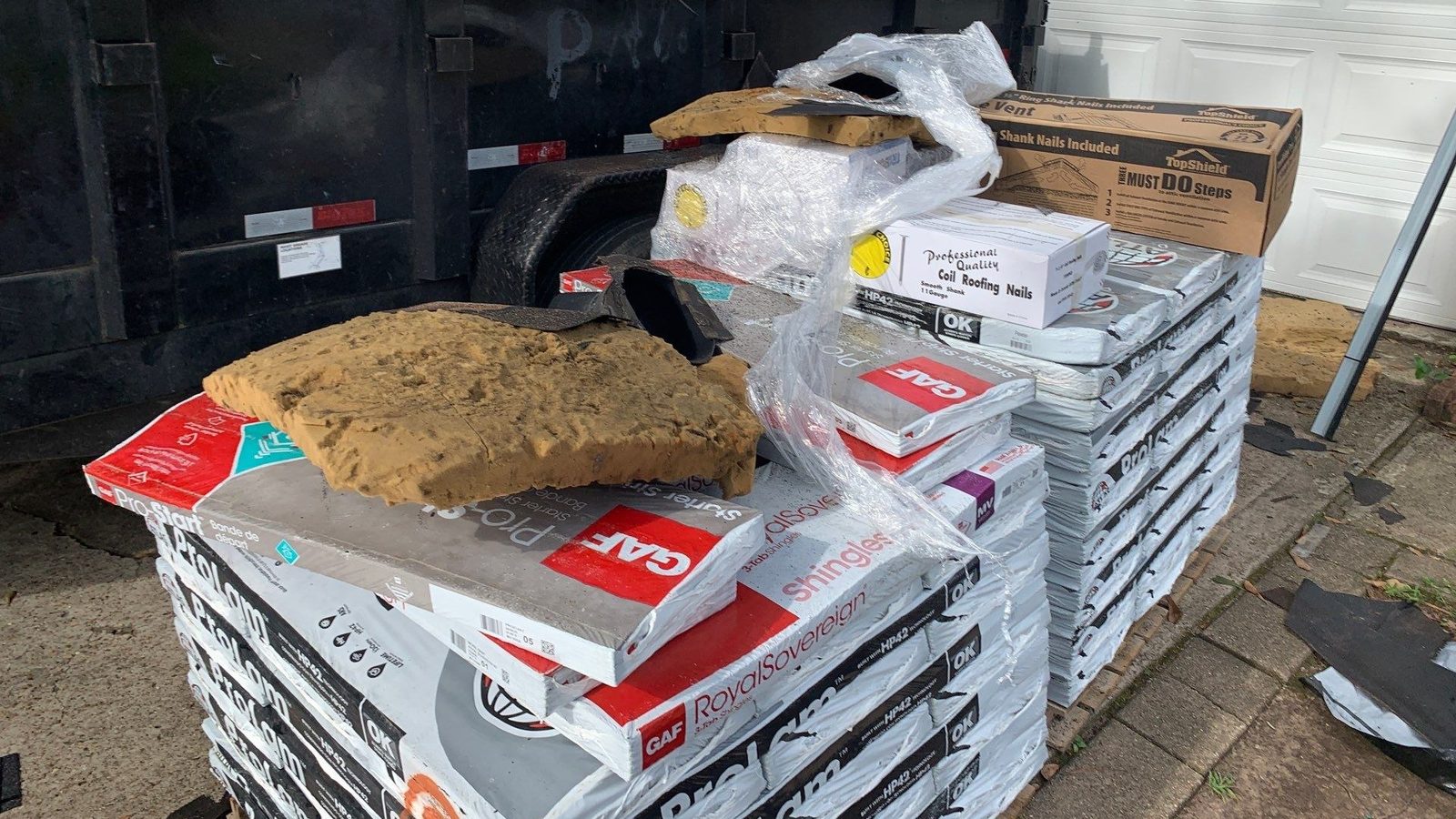
| Shingle product | Brand and specific product line, not just "architectural" | Product lines within one brand can differ in weight, wind rating and warranty |
| Underlayment and valleys | Type of underlayment; ice-and-water or similar protection in valleys and other leak-prone spots | Some bids protect more areas than others |
| Edge and accessory pieces | Drip edge, starter strip, hip and ridge caps | Some estimates include matching accessories; others reuse or omit them |
| Flashing and pipe boots | New or reused: pipe boots, wall, chimney and valley flashing | Reusing old metal lowers the price today but leaves older parts on a new roof |
| Ventilation | Ridge vent, box vents, intake; what changes and why | Adding or correcting ventilation is real work that not every bid includes |
| Decking allowance | Sheets included, the stated price per additional sheet, and how you are notified | "As needed" with no unit price makes the final total hard to predict |
| Disposal and cleanup | Dumpster or trailer, haul-off, magnetic nail sweep | Disposal is sometimes separate or listed as an extra |
| Permit and code items | Who pulls any required permit; code items the bidder expects | Requirements vary by city; some bids include them, some don't mention them |
| Workmanship warranty | Length of the installer's warranty, in writing | Terms vary widely between contractors |
| Payment schedule | When payments are due and what triggers each one | Not a price difference, but a real difference in your risk |
What does a decking allowance actually promise?
Nobody can see the decking until the old shingles are off, so most estimates use an allowance. Look for three things: how many sheets (if any) are included in the price, the unit price for each additional sheet, and how you will be told before extra decking is replaced.
Hypothetical example: Bid A includes two sheets and states a per-sheet price for any more. Bid B says "rotten decking replaced as needed, billed separately," with no unit price. Bid B may look lower, but its final total is unknowable. Asking for a written per-sheet price puts the two on equal footing.
On our own replacements, the decking is inspected once the old roof is removed, damaged wood is documented, and unsuitable decking is replaced where authorized. Our guide to roof decking damage shows what that wood can look like.
What is not included?
Exclusions are easy to miss. Ask each bidder whether these are in or out:
- Rotted fascia or soffit boards found during tear-off
- Gutters: removal, reinstall, cleaning or replacement
- Skylights, solar panels or satellite dishes that must be removed and reset
- Chimney masonry work beyond the flashing
- Interior repairs, such as ceiling stains from an earlier leak
An exclusion is not a red flag by itself; it just has to be treated the same way in every bid.
How do I ask bidders to normalize scope?
- Decide the scope you want priced, for example: full tear-off, new flashing and pipe boots, and the same shingle product line.
- Send the same short written list to every bidder and ask each to confirm or revise their estimate against it.
- If a roofer recommends something different, ask them to price it as a clearly labeled option rather than mixing it into the base price.
- Ask for the decking allowance in the same format from everyone: sheets included and price per additional sheet.
- Ask how changes are handled once work starts. Look for a written change order you approve before extra work is done.
How can I ask questions without feeling pressured?
A contractor who wants the job should be comfortable explaining their own estimate. Plain phrases help: "Can you show me where that is on the estimate?" "Is that included, or would it be extra?" "Can you put that in writing?" Take the estimates home and compare them on your own schedule.
TDI's advice is worth keeping in mind as you narrow it down: verify references, don't pay the full amount up front, don't make the final payment until the work is done, and never sign a contract with blanks (TDI). If the roof is part of an insurance claim, TDI suggests comparing bids with the adjuster's report (TDI storm recovery tips); what is covered depends on your policy and is decided by your insurer. A bid that offers to waive, absorb or rebate your deductible is not a bargain: Texas law prohibits it (Tex. Bus. & Com. Code §27.02). For more on vetting the company itself, see how to choose a roofing contractor.
When we prepare a written estimate after an inspection, the scope and materials are spelled out, the workmanship warranty term is stated in writing before you sign, and there is no pressure to sign anything. The binding price is set only in a written, signed agreement.
Questions about comparing roofing estimates
How many roofing estimates should I get?
Two or three written estimates usually show where scope differs. TDI encourages comparing bids rather than accepting the first one.
Is a single lump-sum price a bad sign?
Not automatically, but it makes comparison hard. Ask the roofer to list what the price includes, especially flashing, ventilation, decking and disposal.
What if one estimate is much lower than the others?
Use the worksheet to find out why. It may leave out items, reuse flashing, or carry a decking allowance with no unit price. Once scope matches, the gap often narrows.
Comparing bids and want a clear, itemized estimate to put next to the others? Book a free, photo-documented inspection or call PL Roofing & Remodeling at 832-860-0354. You can also start with our 60-second estimate. Hablamos español.
Sources
- Texas Department of Insurance, "State law cracks down on roof scams" (reviewed Oct. 29, 2026)
- Texas Department of Insurance, "Storm recovery tips" (reviewed Oct. 29, 2026)
- Texas Business & Commerce Code §27.02 (reviewed Oct. 29, 2026)